Porsche Schokolade
A premium chocolate and packaging concept translating the design language of an existing luxury brand.
Role
Brand Research
3D Modelling
Fabrication & Prototyping
Duration
9 weeks (Aug-Oct 2024)
Tools



The Challenge
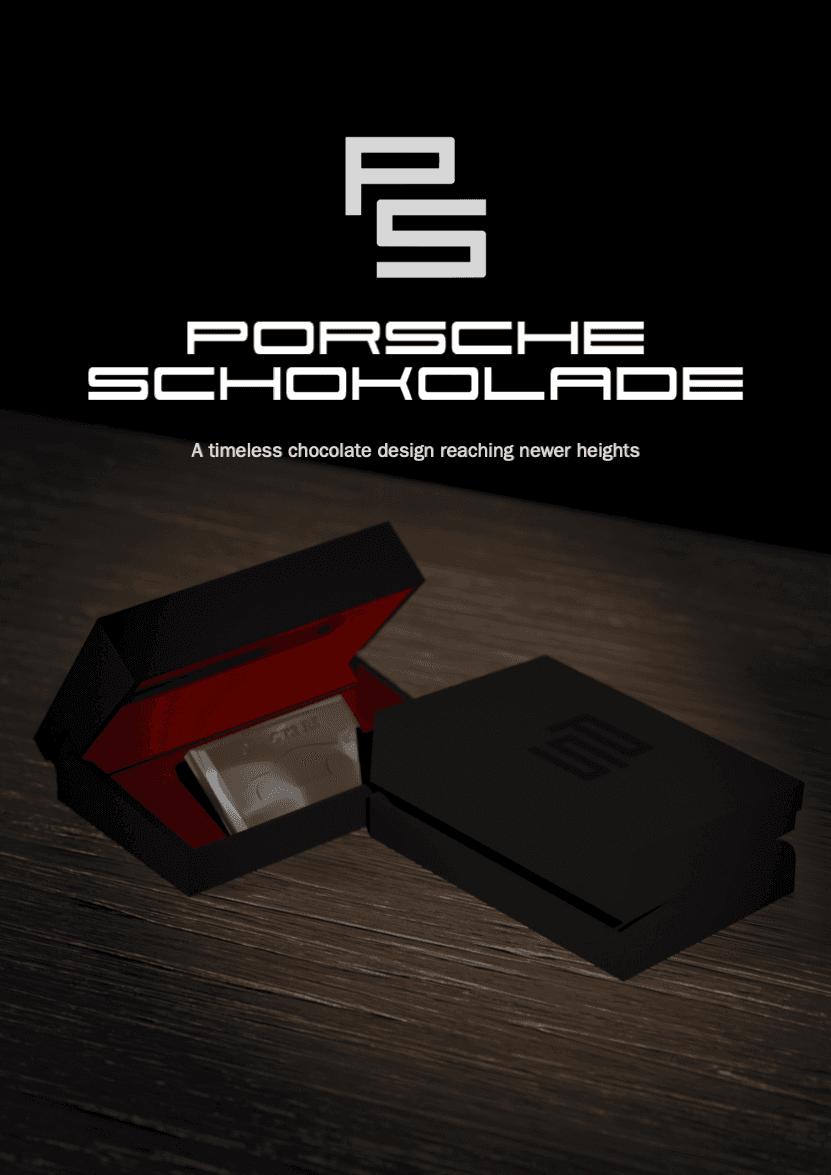
This project was completed as part of Physical Prototyping (DECO2018) at the University of Sydney. The brief challenged students to translate the identity of a premium brand into the design of chocolate and its packaging. The task required translating the chosen brand’s visual identity and design language into a cohesive chocolate and packaging concept. The final outcome was a speculative product that the brand could realistically release within its own product line along with a poster to showcase it.
For my project, I chose the automotive brand Porsche, best known for its flagship sports car, the 911. I was interested in exploring how Porsche’s focus on subtle design refinement and engineering improvement could be translated into a chocolate and packaging concept.
Brand Research
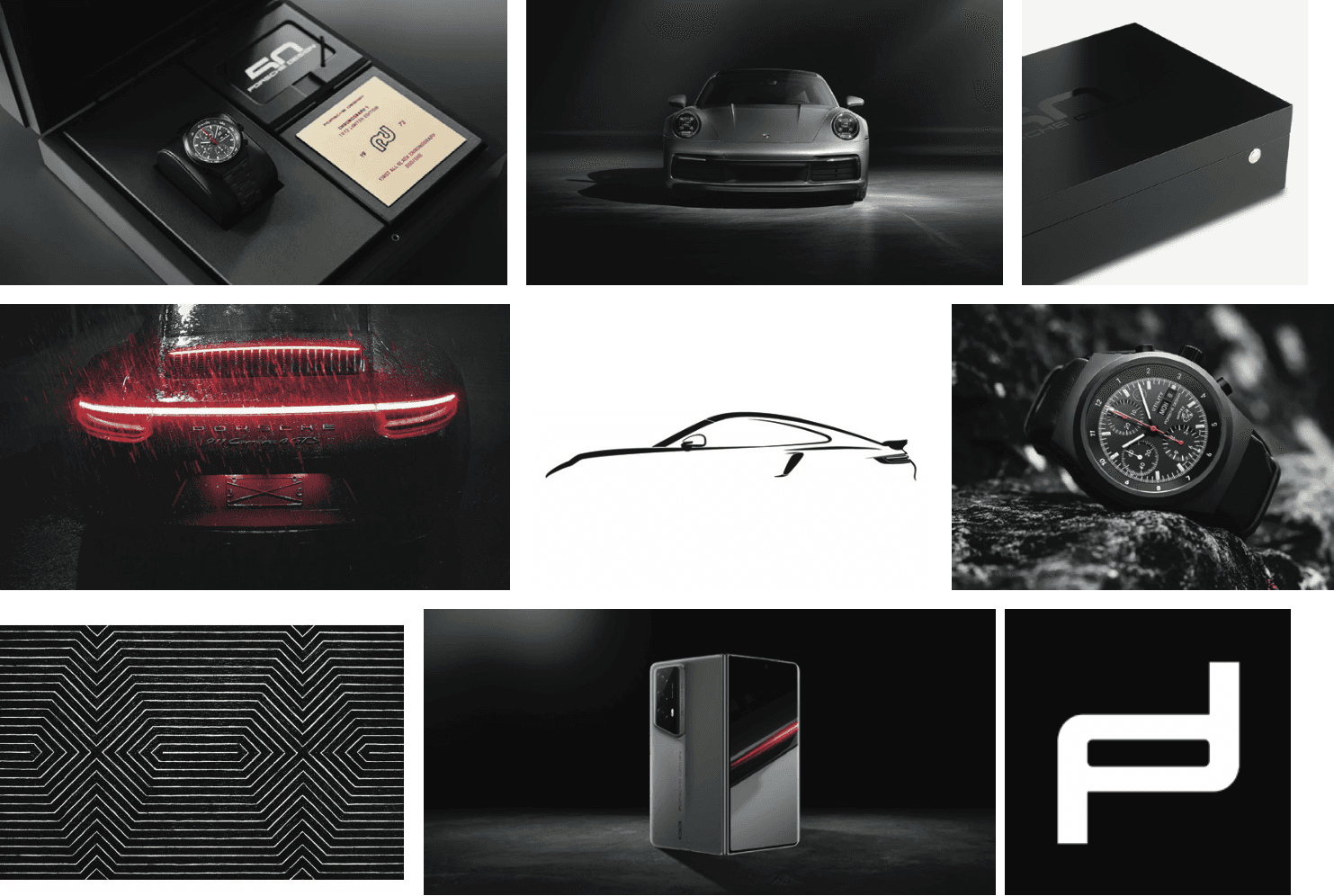
Porsche’s design philosophy prioritises performance, functionality, and consistency across generations. I was drawn to their restrained, minimalistic approach, where each iteration refines the engineering without altering the iconic silhouette. This philosophy informed both the chocolate forms and packaging direction, aiming for elegance through simplicity.
From this, I made up a mood board that reflected the kind of product I wanted to design.

Concept Exploration
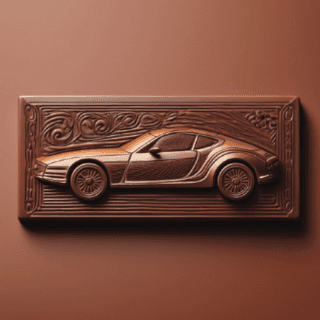
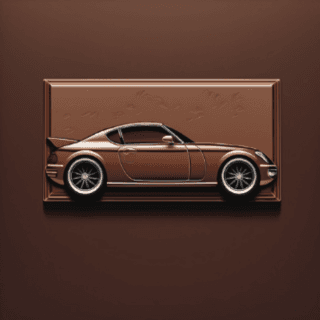
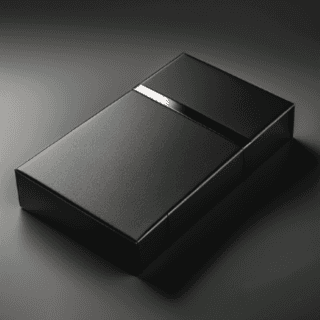
Generative AI was used to quickly visualise chocolate and packaging concepts. Early prompts produced textured designs, but through iteration, the outputs aligned with Porsche’s clean, refined aesthetic. The AI helped explore form, surface details, and overall visual direction before sketching.
Chocolate Concepts

Prompt 1: minimalistic chocolate bar with a car engraved into it

Prompt 2: minimalistic rectangle chocolate bar with the side profile of a coupe styled car engraved into the top side

Prompt 3: simple rectangle chocolate bar with the side profile of a coupe styled car engraved into the top side.

Prompt 3
Packaging Concepts

Prompt 4: minimalistic, black packaging box with a logo for a chocolate bar

Prompt 5: minimalistic, all-black packaging box with a subtle logo for a chocolate bar
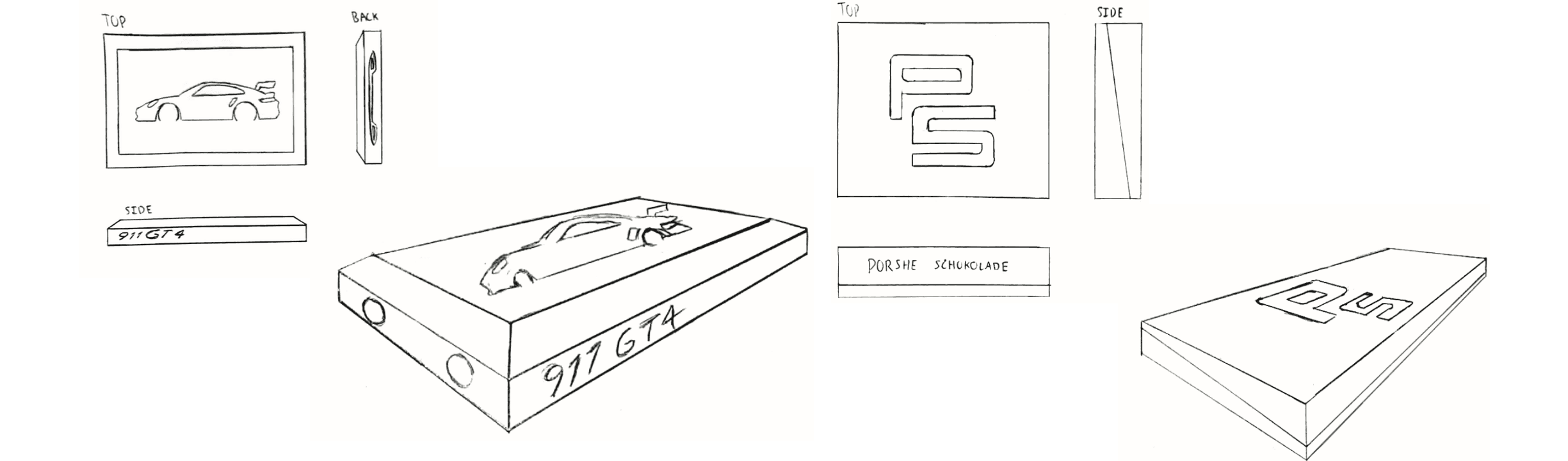
Sketching refined the AI concepts and helped explore how the chocolate forms and packaging interact, focusing on clean lines, geometric shapes, and elegance.

Material & Visual Exploration
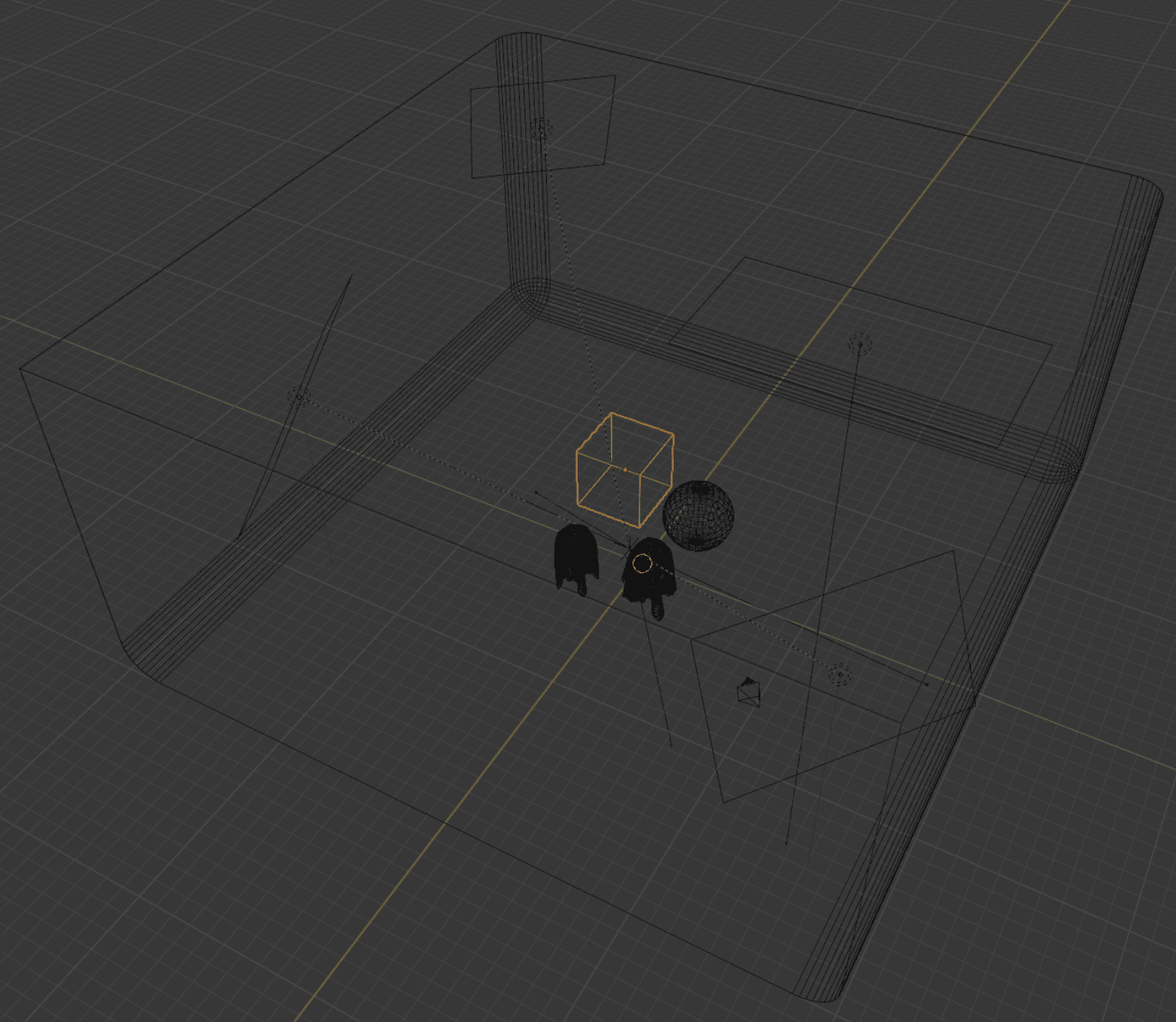
Before moving on to full chocolate and packaging models, I explored materials, textures, and lighting in Blender using simple geometric forms and fabric planes. I adapted online tutorials and procedural texture nodes to create materials that conveyed the premium, Porsche-inspired aesthetic. For rendering, I created a white box scene to allow the properties of the materials to stand out better.
Materials

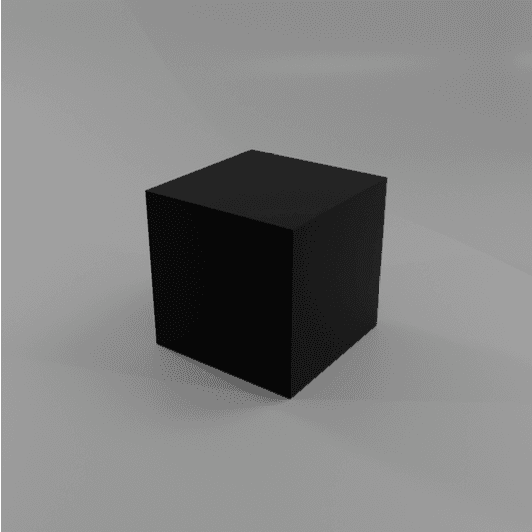
Matte Black Paper
Used for the main packaging and chocolate wrapper, this material embodies minimalism and refinement, echoing Porsche’s restrained design language. It provides a premium tactile feel while maintaining simplicity.

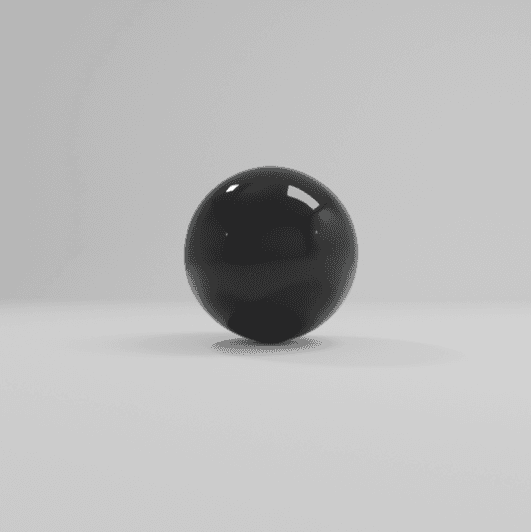
Glossy Black Polymer
Applied to highlight the Porsche logo through a simulated Spot UV effect, this material creates subtle contrast while preserving elegance, inspired by Porsche’s limited-edition product finishes.

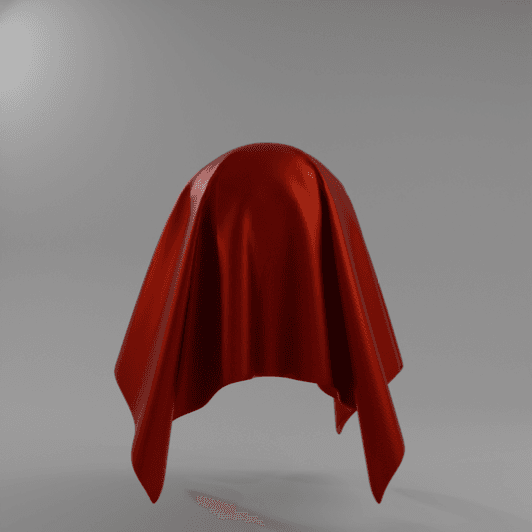
Red Silk Ribbon
Introduces an accent color consistent with Porsche lifestyle products, such as their Chronograph watch and Honor collaboration. Used as an external ribbon, it adds a touch of sophistication.

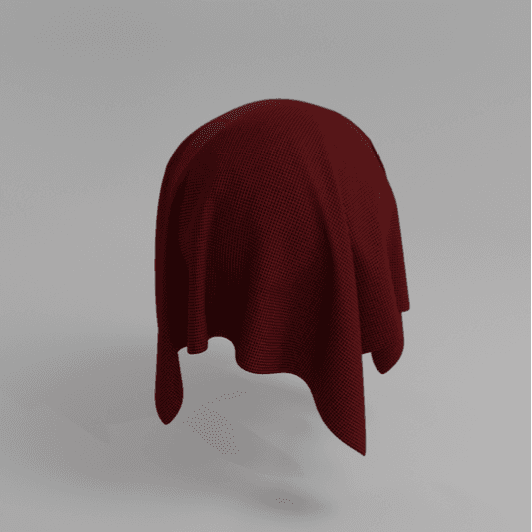
Carmine Red Jacquard Fabric
Derived from Porsche Design’s Pepita Jacquard products, this soft fabric acts as an internal liner, protecting the chocolate and reflecting Porsche’s lifestyle brand identity.
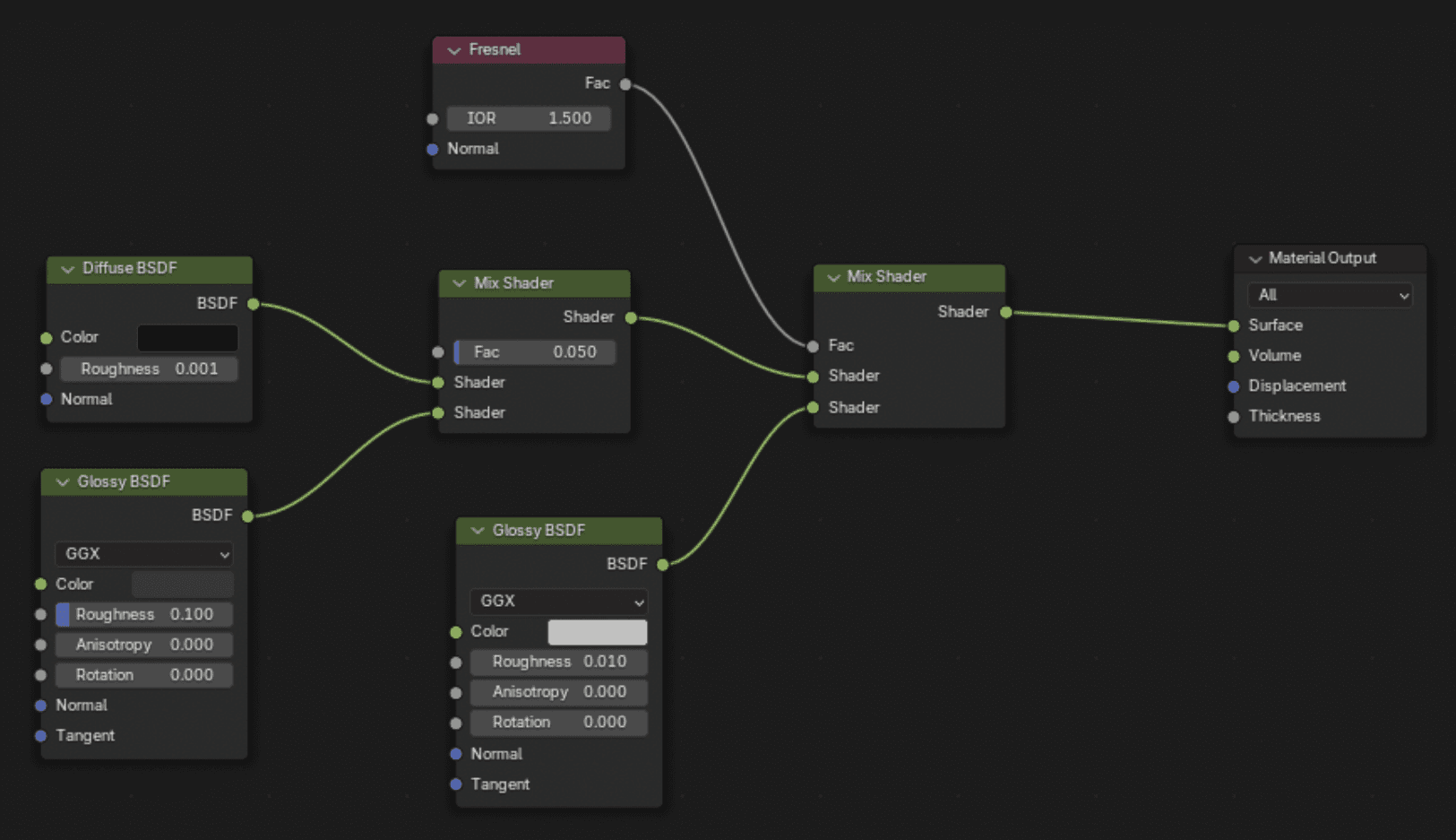
Texture Nodes

Node setup for Matte Black paper.

Node setup for Glossy Black polymer.

Node setup for Red Silk.

Node setup for Red Jacquard Fabric
Render Setup

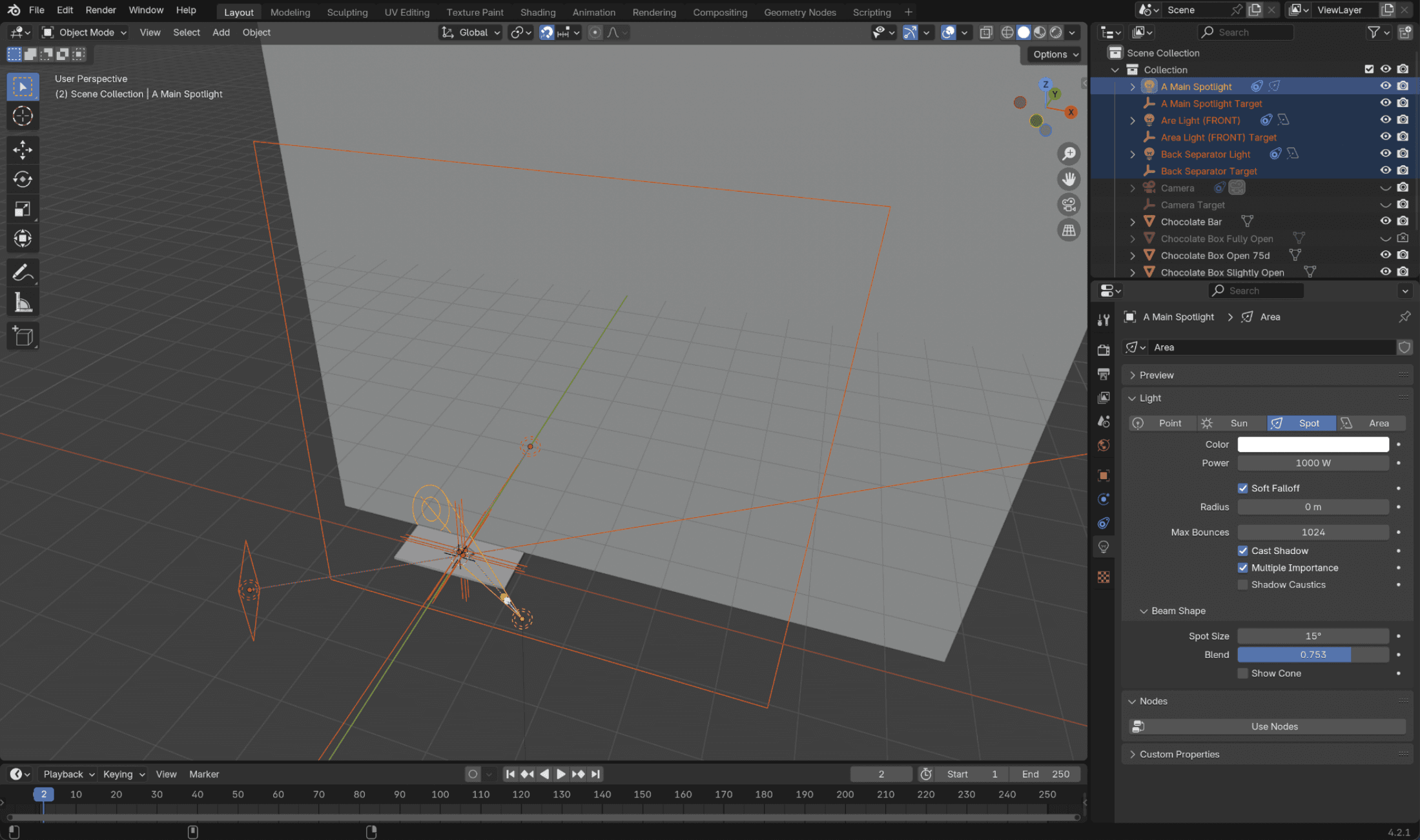
Rendering studio setup which utilised a white minimal space with area lights
Packaging Design & Prototyping
After establishing the visual direction and materials, I began designing the chocolate packaging. The goal was to create a minimal, premium box that reflected Porsche’s restrained design language while protecting the chocolate product.
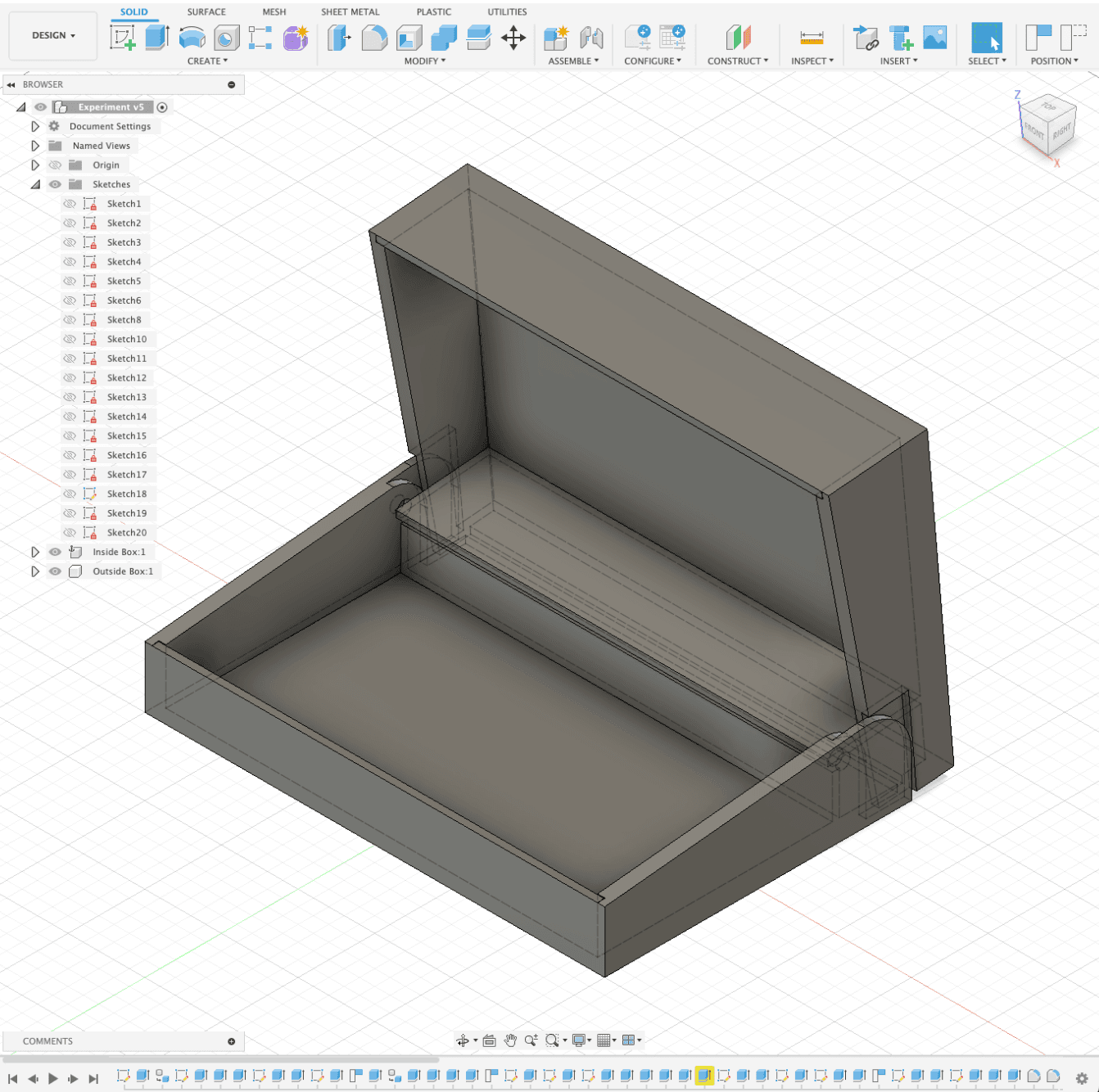
Hidden Hinge Mechanism
I initially considered using a living hinge, but after discussion with a tutor I explored a hidden integrated hinge design. This approach allowed the packaging to maintain a sleek exterior while concealing the hinge mechanism.

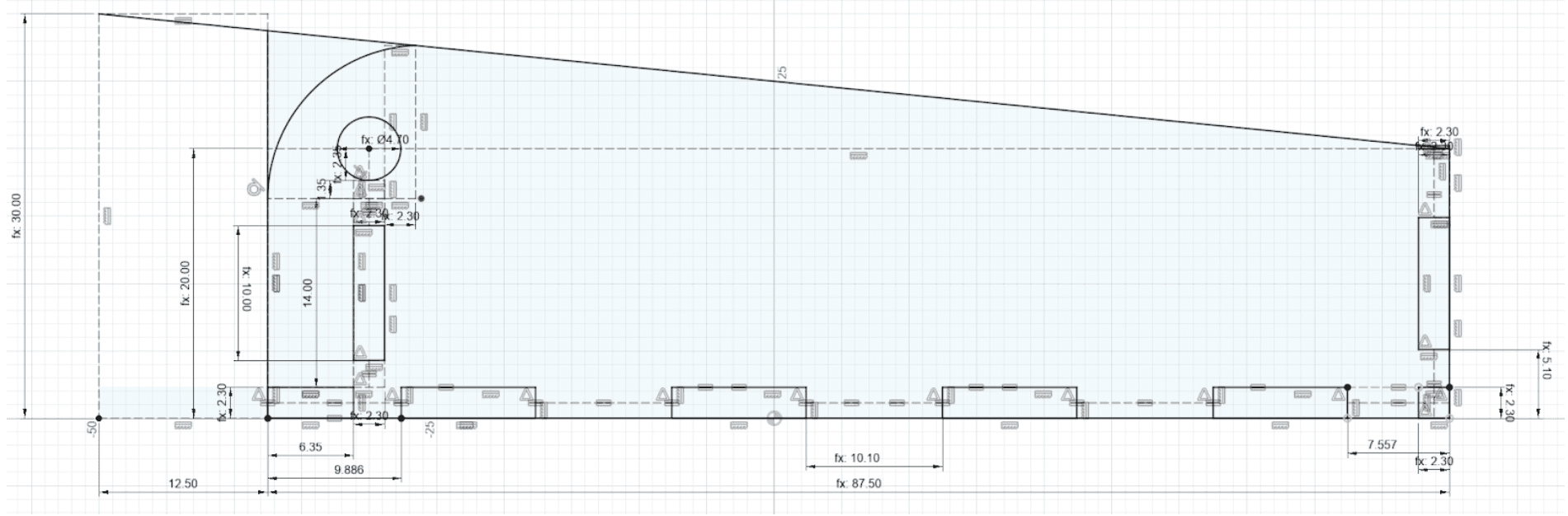
Digital Modelling
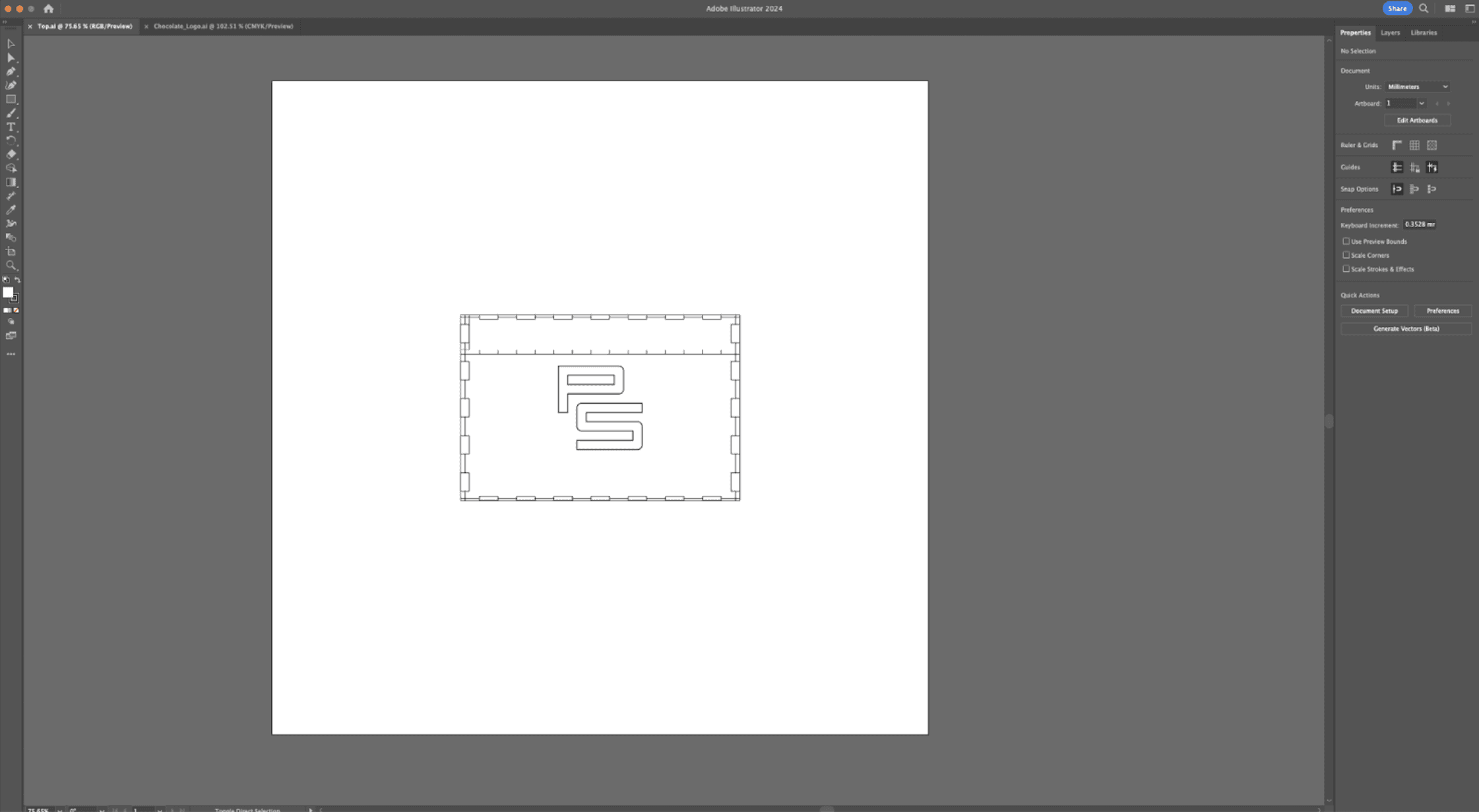
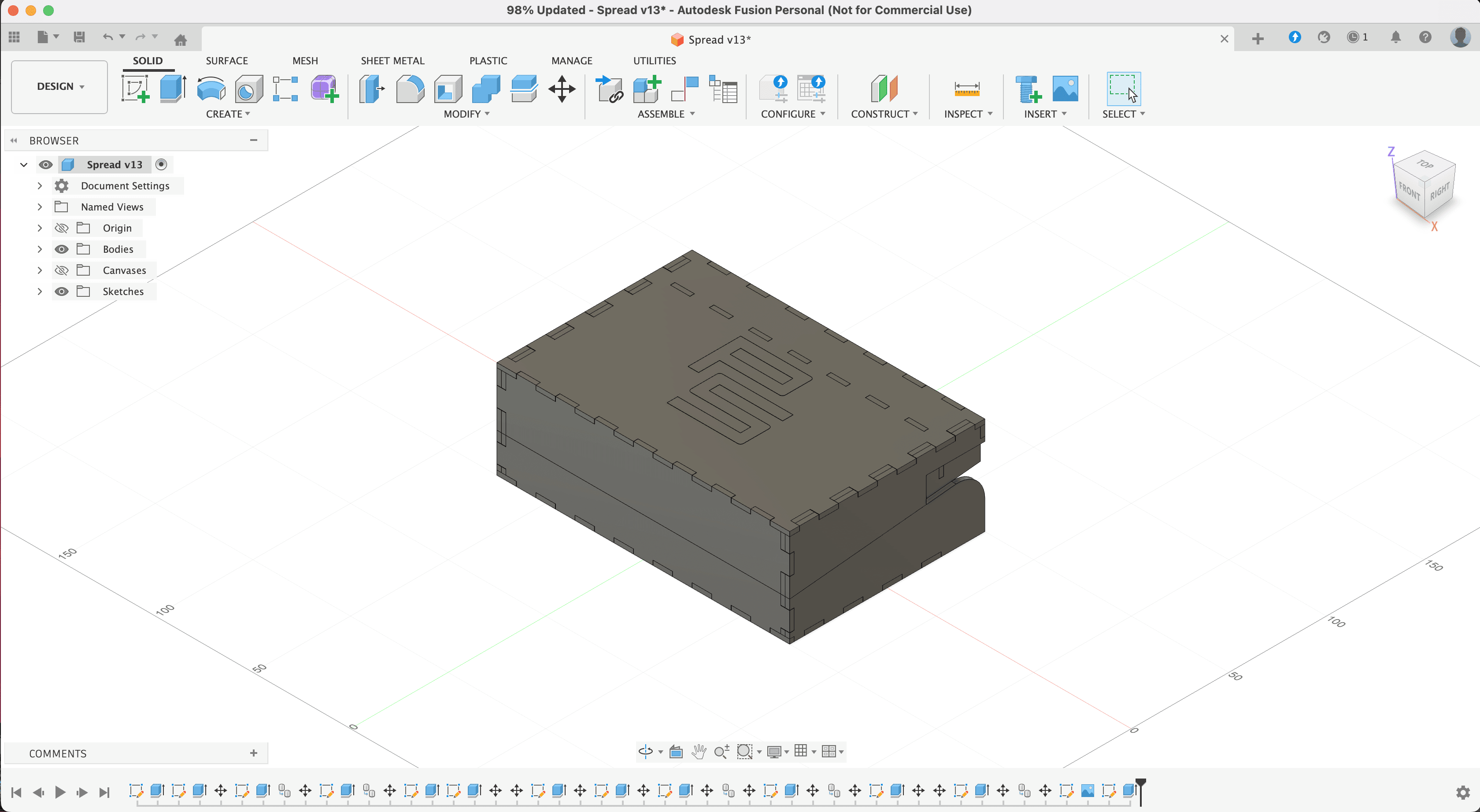
The packaging was modelled in Fusion 360, where individual components were sketched and assembled into a functional box prototype. Parametric dimensions and constraints ensured consistent spacing and accurate alignment of the finger joints and hinge mechanism. The lid sketch was exported to Adobe Illustrator to incorporate the final logo design.


Prototype Fabrication
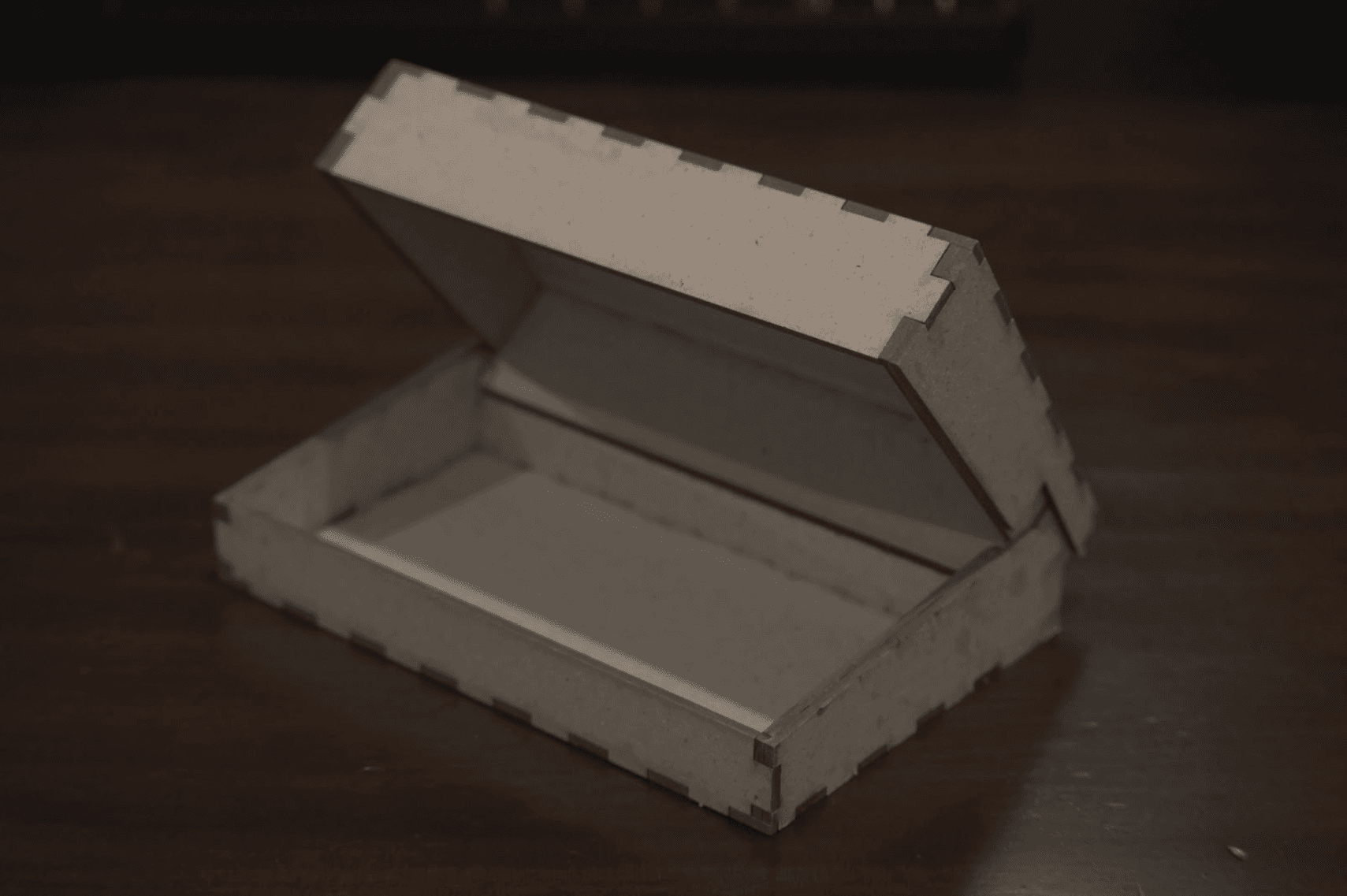
A physical prototype was then fabricated using laser-cut 2.3 mm boxboard, using Rhinoceros 3D to make the layout of the cut. The physcial prototype allowed the hinge mechanism and overall structure to be tested in a real-world form.
The hinge used small circle cutouts for stability but due to the size, these pieces were lost, allowing the box lid to shake a bit.

Chocolate Design & Fabrication
After finalising the packaging structure, I began designing the chocolate itself. The goal was to create a form that reflected Porsche’s minimal and refined design language while remaining practical to manufacture.
Digital Modelling
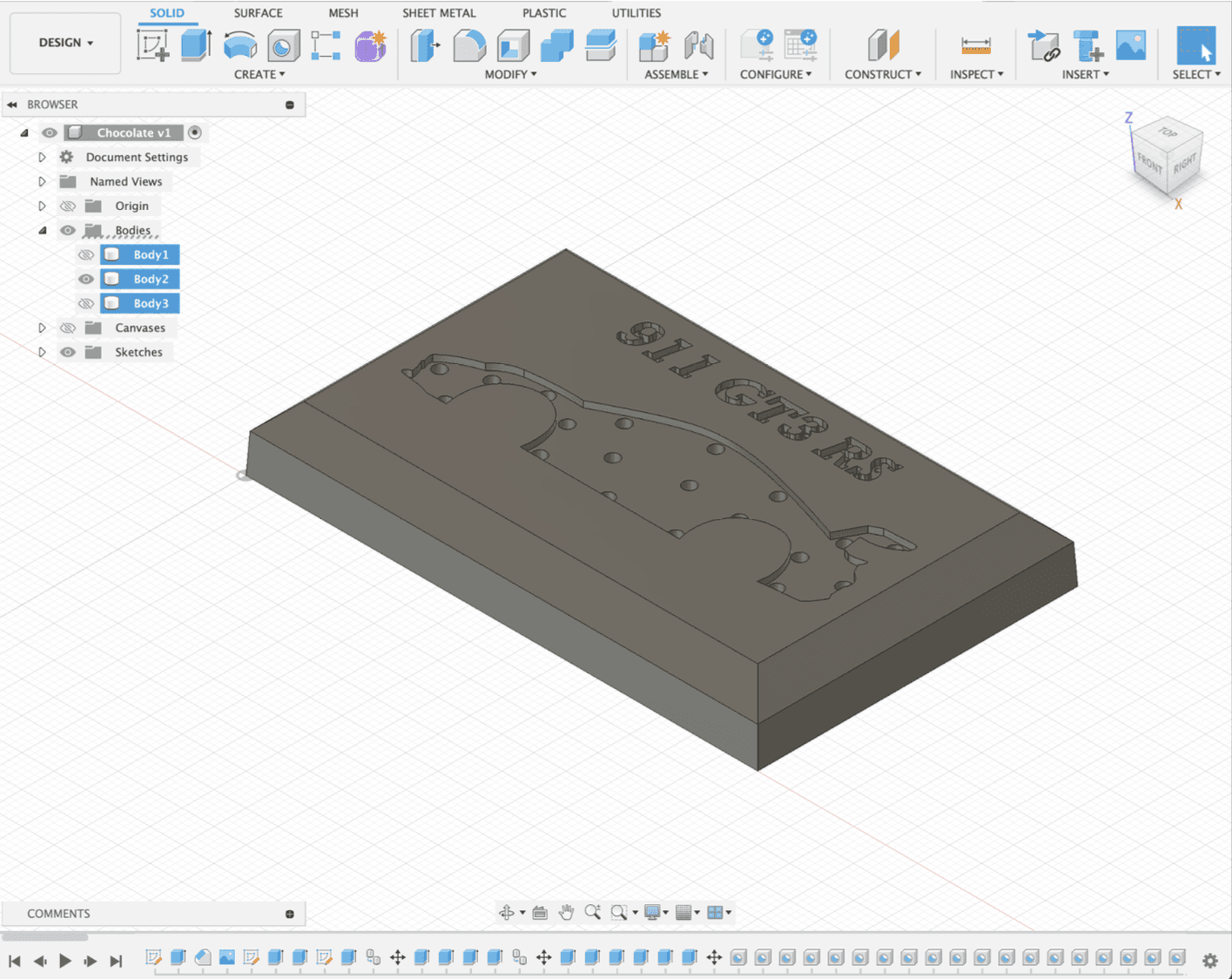
Using Fusion 360, the chocolate bar was designed as a clean, rectangular form. I included a subtle indentation of the Porsche 911 silhouette connects the product to the brand’s heritage while preserving a minimal, elegant aesthetic. Small air holes were added into the indentation to allow vacuum forming moulds to pull the plastic accurately during mould making.

3D Printing & Mould Forming
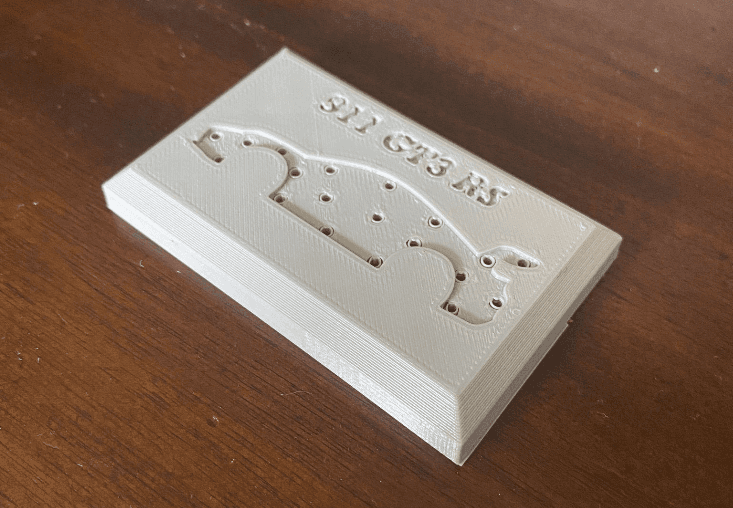
The model was 3D printed as a solid PLA positive, which was then used in a vacuum former to create a negative mould for casting the chocolate.


Chocolate Making
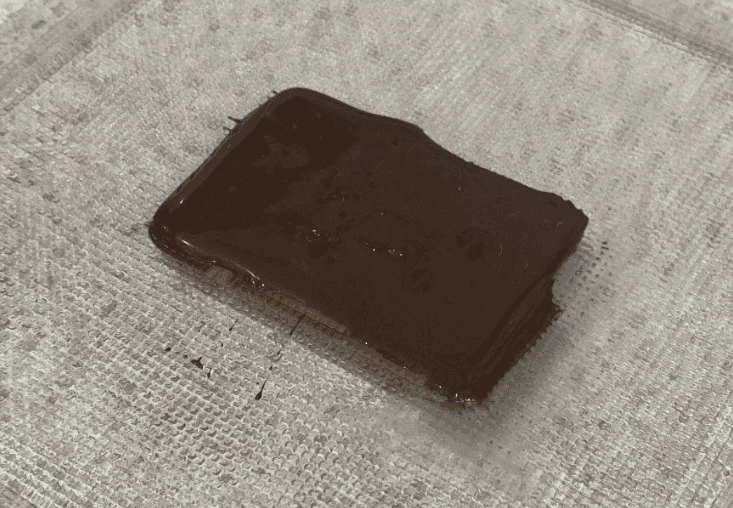
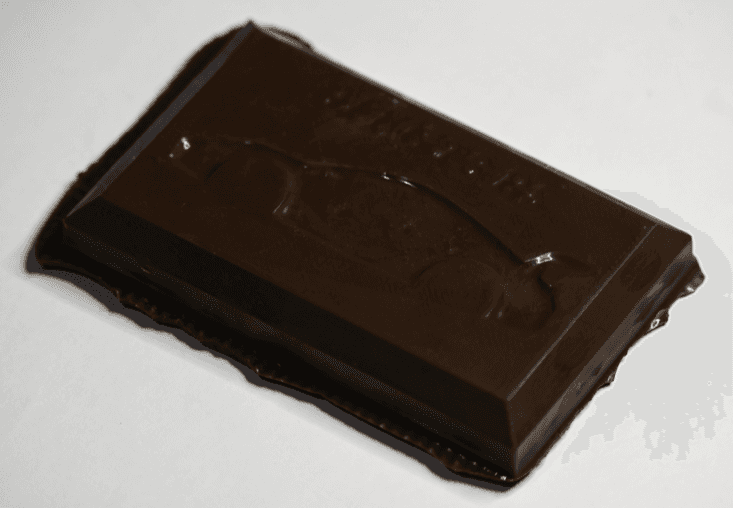
Chocolate melts were poured into the vacuum-formed mould to produce the first physical prototype. Once set, the bar released cleanly, weighing 52 g. While slightly thicker than ideal, the test highlighted how the mould could be refined for optimal form and usability.


Final Outcome
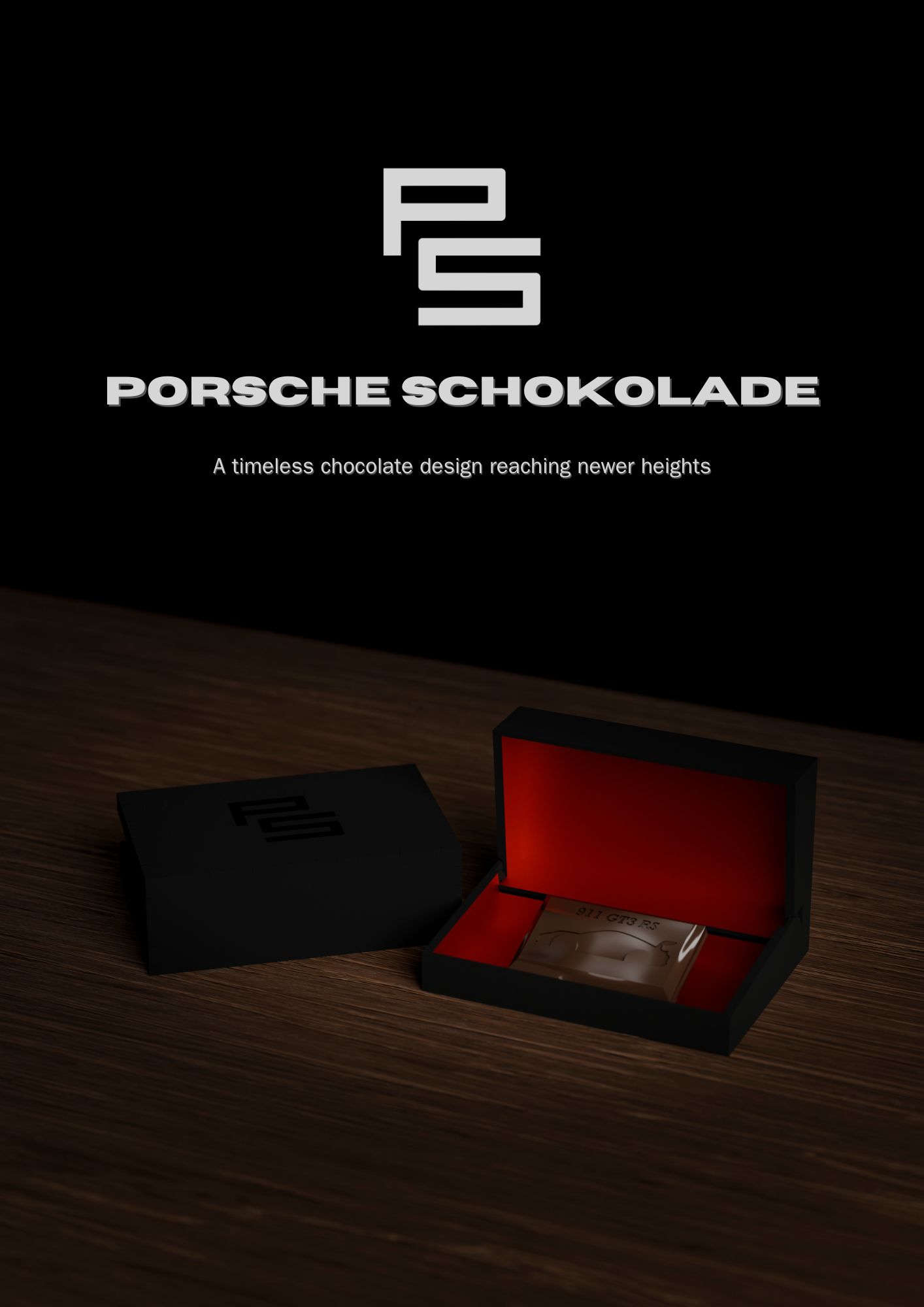
To conclude the project, I created a poster combining Blender renders and Canva layouts to create my poster. The poster showcases the chocolate bar alongside its packaging, highlighting key design elements such as the hinge mechanism and minimalistic aesthetic. For critique of my design, the poster was printed, where the blacks came out as mixed resulting a lack of detail between the glossy and matte blacks. This was the main feedback from other designers where it was agreed the composition needed more lighting and changes in placement to show more detail and features of the packaging.

Staging the scene in Blender to explore lighting and composition.
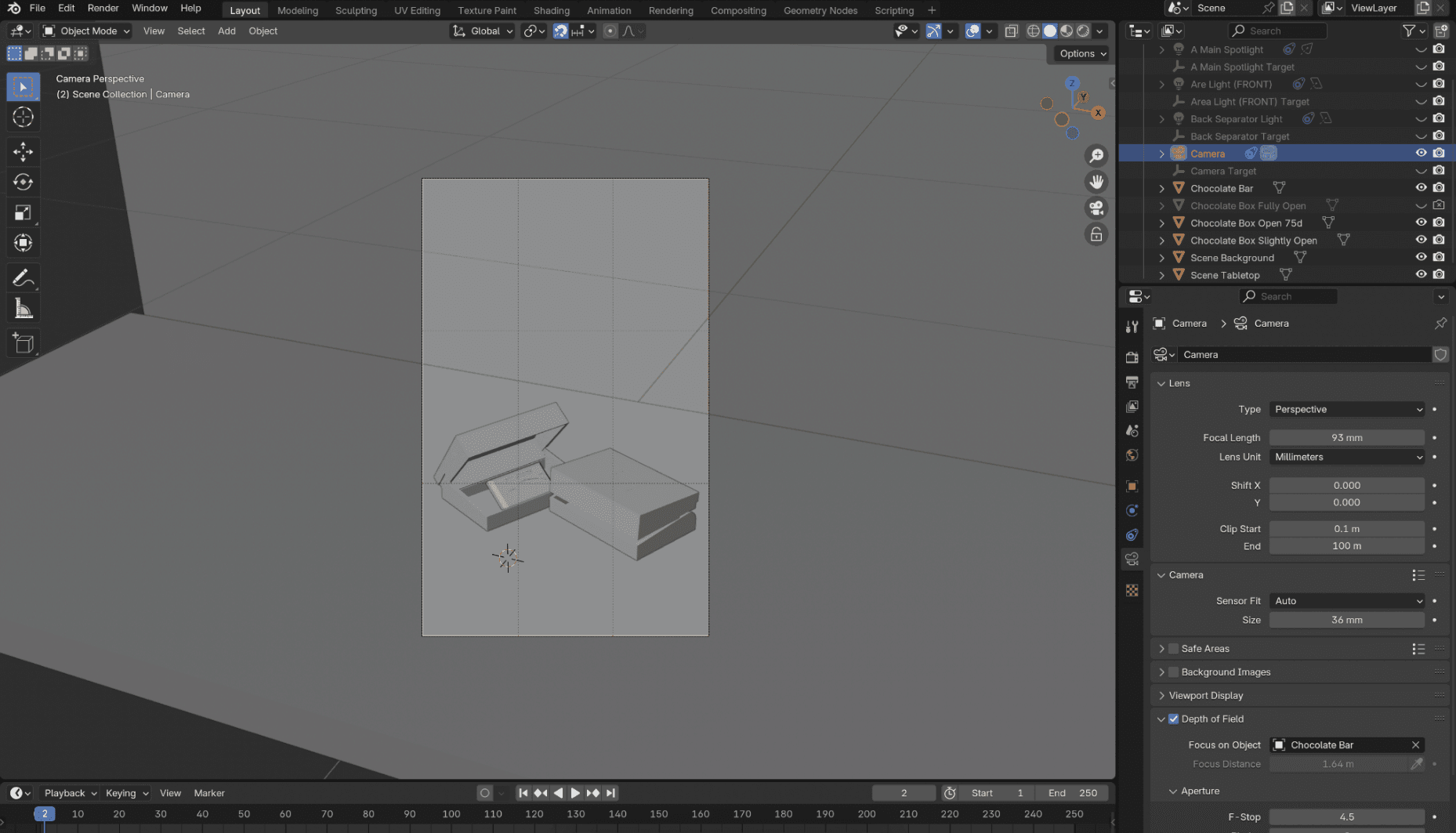
Framing the scene to highlight the hinge and packaging features.
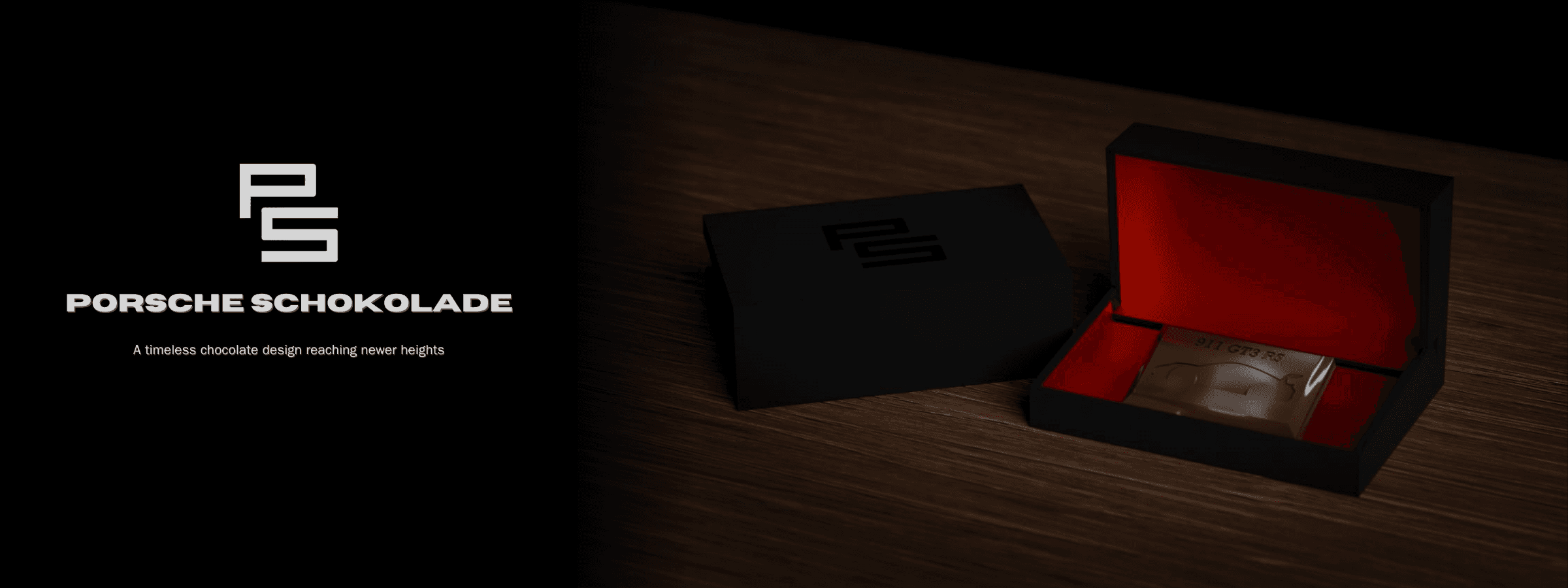
Poster iterations based on critique feedback; adjustments made to improve visibility and focus on key design elements

Final promotional poster combining 3D renders and layout in Canva, highlighting the chocolate and packaging
Reflections & Takeaways
This project pushed me beyond prior experience, introducing me to Blender, Fusion 360, and physical fabrication. While I had used simpler CAD software like SketchUp and Tinkercad, this was my first time creating professional 3D models, rendering materials, and producing physical prototypes.
I also found iteration and critique to being crucial for development. For example, adjusting lighting in the final poster helped balance a luxury mood with visibility of key details. In hindsight, I would retain elements of the darker draft for digital showcases, as the final bright version made the chocolate appear less realistic. Similarly, I would refine the hinge design by removing the circular pieces and relying on material thickness alone, improving tolerances and creating a sturdier physical prototype.