Build N Bloom
A physical and digital artefact to help young adults reduce mindless consumption of media.
Role
Researcher
3D Modelling
Fabrication & Prototyping
Duration
13 weeks (Aug-Nov 2025)
Tools

The Challenge
This project was completed as part of Interactive Product Design Studio (DECO3200) at the University of Sydney. The brief challenged students to explore the theme of Transitions, examining how design can support individuals, organisations, or systems as they move from one state to another in response to social, technological, or environmental change. The studio encouraged the development of an interactive design response grounded in research, stakeholder insights, and iterative prototyping.
The Problem
Young adults are increasingly engaging in passive, habitual media consumption, often through short-form content and algorithm-driven platforms. While these experiences are designed to be engaging, they frequently lead to extended, unintentional usage sessions—commonly referred to as “doomscrolling.”
This behaviour is not typically driven by deliberate choice, but by automatic habit loops, where users seek quick stimulation during moments of boredom, fatigue, or avoidance. Over time, this can result in reduced focus, decreased productivity, and a sense of lost time without meaningful engagement.
Despite growing awareness of screen time and its effects, many existing solutions rely on purely digital interventions (e.g. app timers or notifications), which are easily ignored or dismissed. As a result, there is a gap in tools that can effectively interrupt these habits and support more intentional, mindful interaction with media.
Research Synthesis
To better understand these behaviours, we gathered data through interviews, questionnaires, secondary research and online ethnographies, focusing on how young adults (18–25) engage with digital media during moments of boredom, stress, and mental fatigue.
Findings revealed that digital media consumption is often habitual rather than intentional, with users turning to short-form content as a low-effort way to fill small gaps in time or regulate emotional states.
However, this behaviour frequently contributes to a cycle of overstimulation and fatigue, where extended scrolling reduces focus, interrupts rest, and leads to a perceived loss of time without meaningful satisfaction.
Across participants, a consistent pattern emerged: users were aware of their habits but struggled to act on them in the moment. This created a clear tension between intention and behaviour:
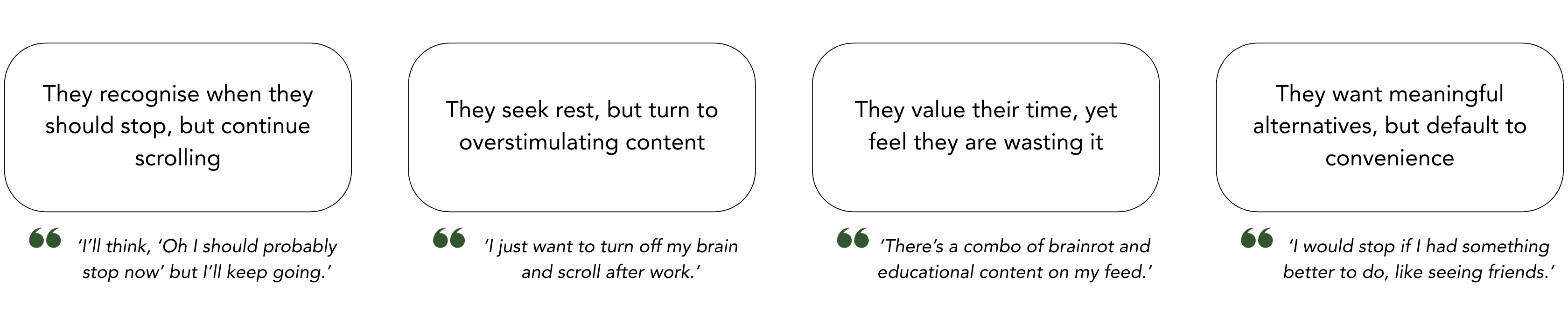
These findings highlight a consistent gap between user awareness and behavioural control, suggesting that awareness alone is insufficient to drive change.
Insight
The issue is not a lack of awareness, but a habitual reliance on media as an emotional coping mechanism—used to manage boredom, stress, and fatigue.
Because this behaviour is automatic rather than intentional, users often continue consuming content even when they recognise it is unfulfilling. This creates a disconnect between what users want to do and what they actually do.
This suggests that effective solutions must go beyond awareness, instead interrupting habitual behaviour at the point of action and creating opportunities for more intentional decision-making.
The Concept
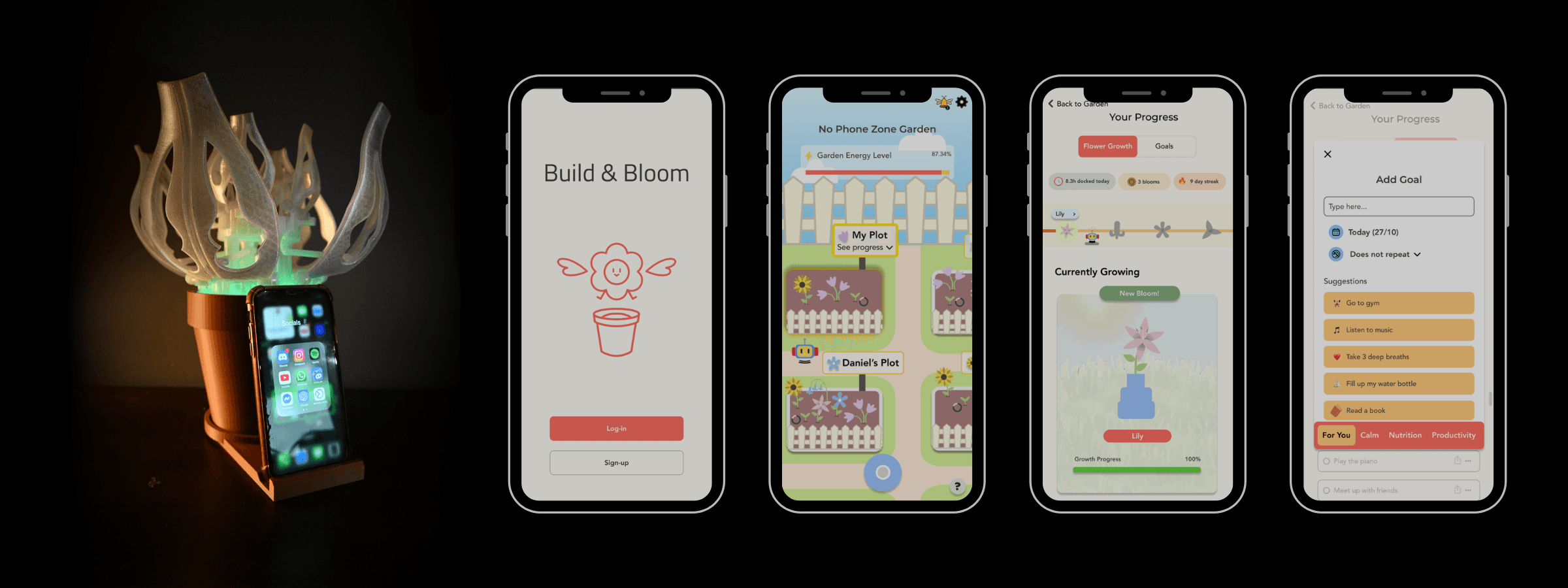
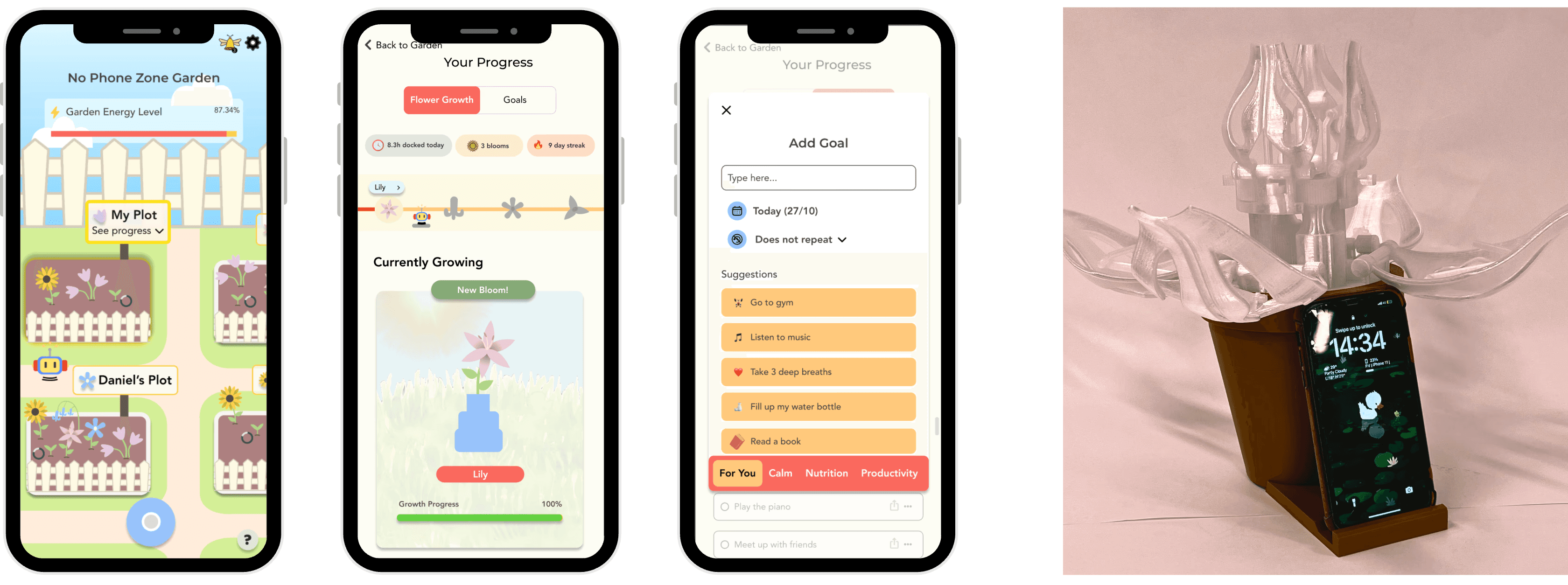
Build N Bloom is a hybrid physical-digital system designed to interrupt passive media consumption and encourage more intentional use of time.
The system consists of two components: a mobile application and a physical docking station, working together to transform moments of disconnection from media into visible, rewarding progress.
Concept Exploration
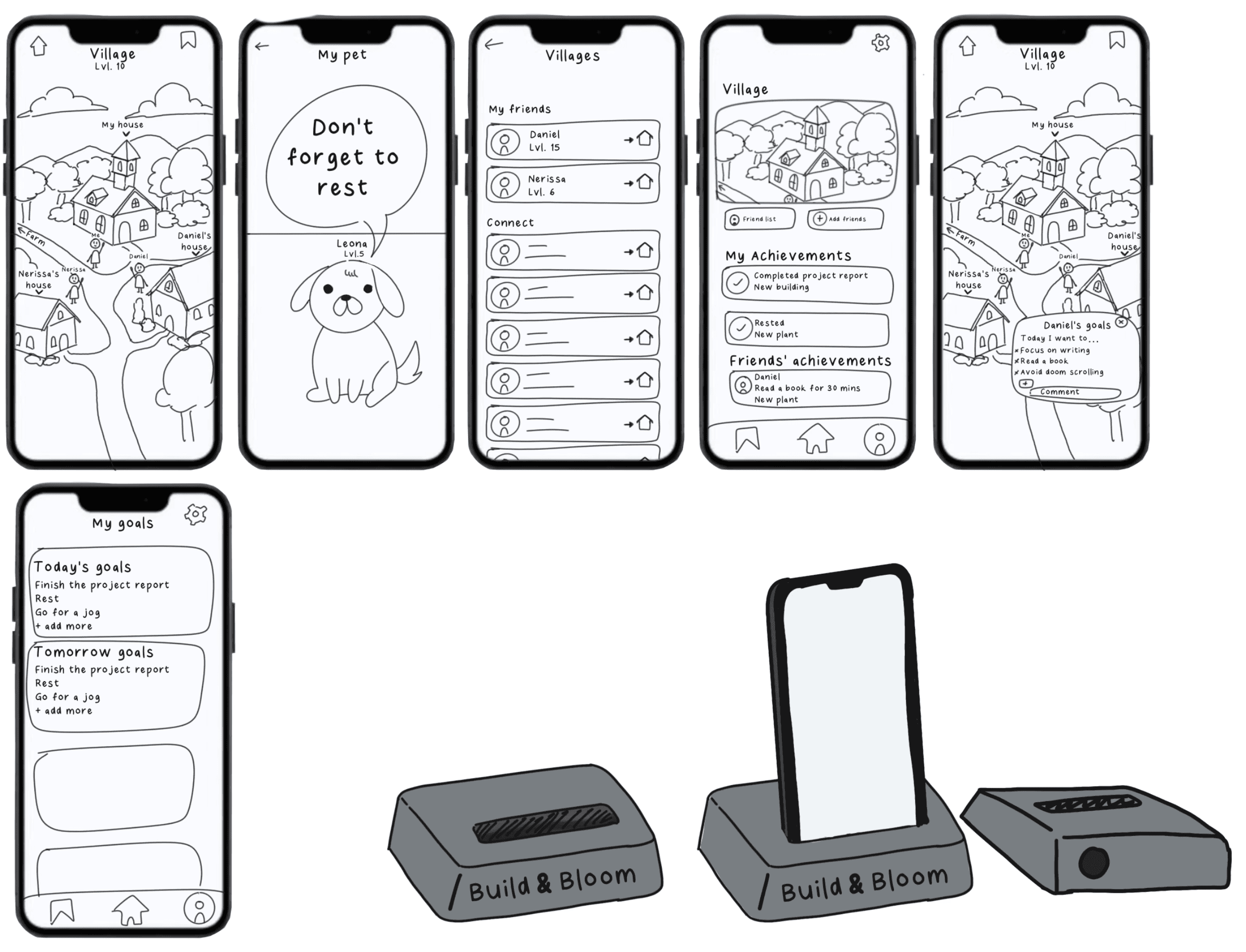
Early exploration focused on a shared digital village, where users grew environments over time. While engaging, this direction introduced complexity in both interaction and implementation.
The concept was refined into a plant-based system, offering a simpler, more intuitive representation of growth.
How it Works
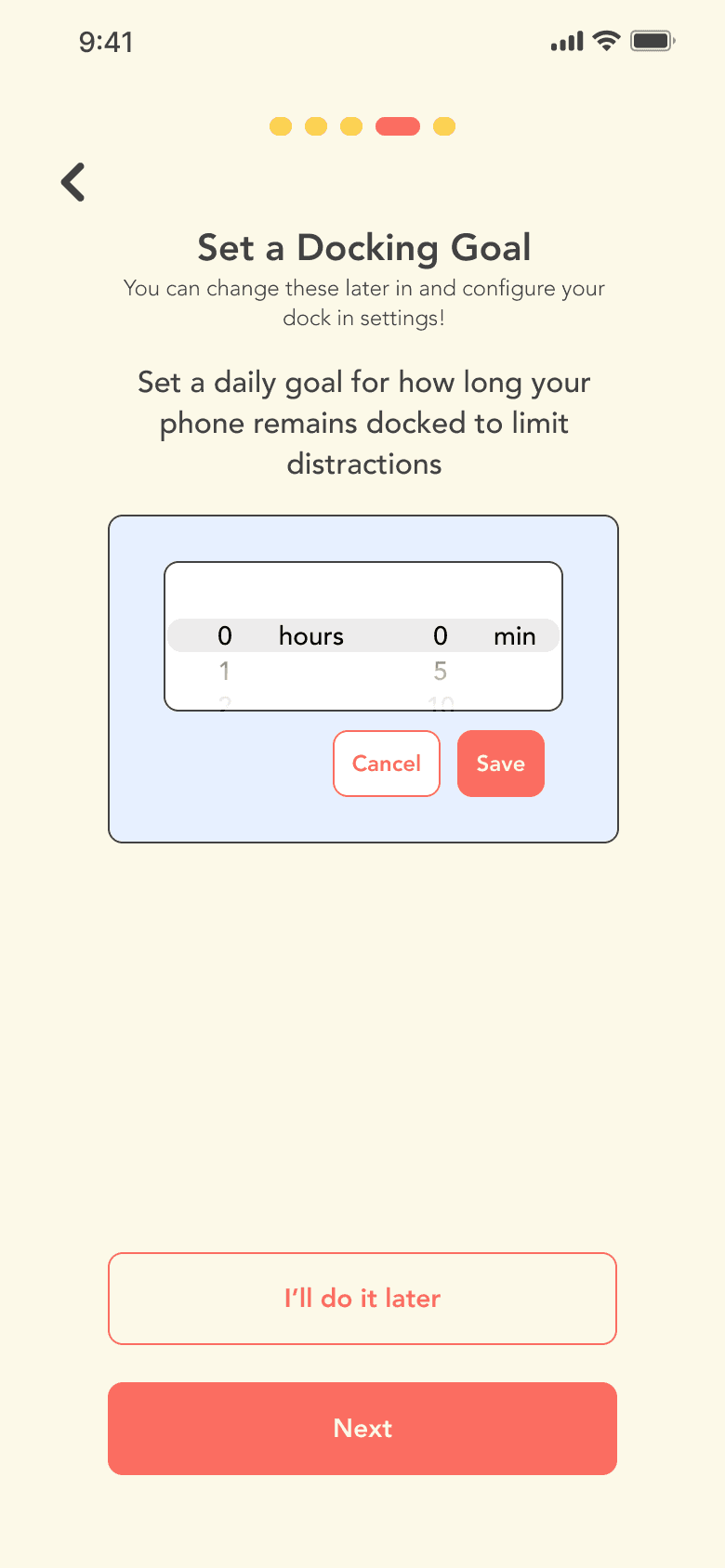
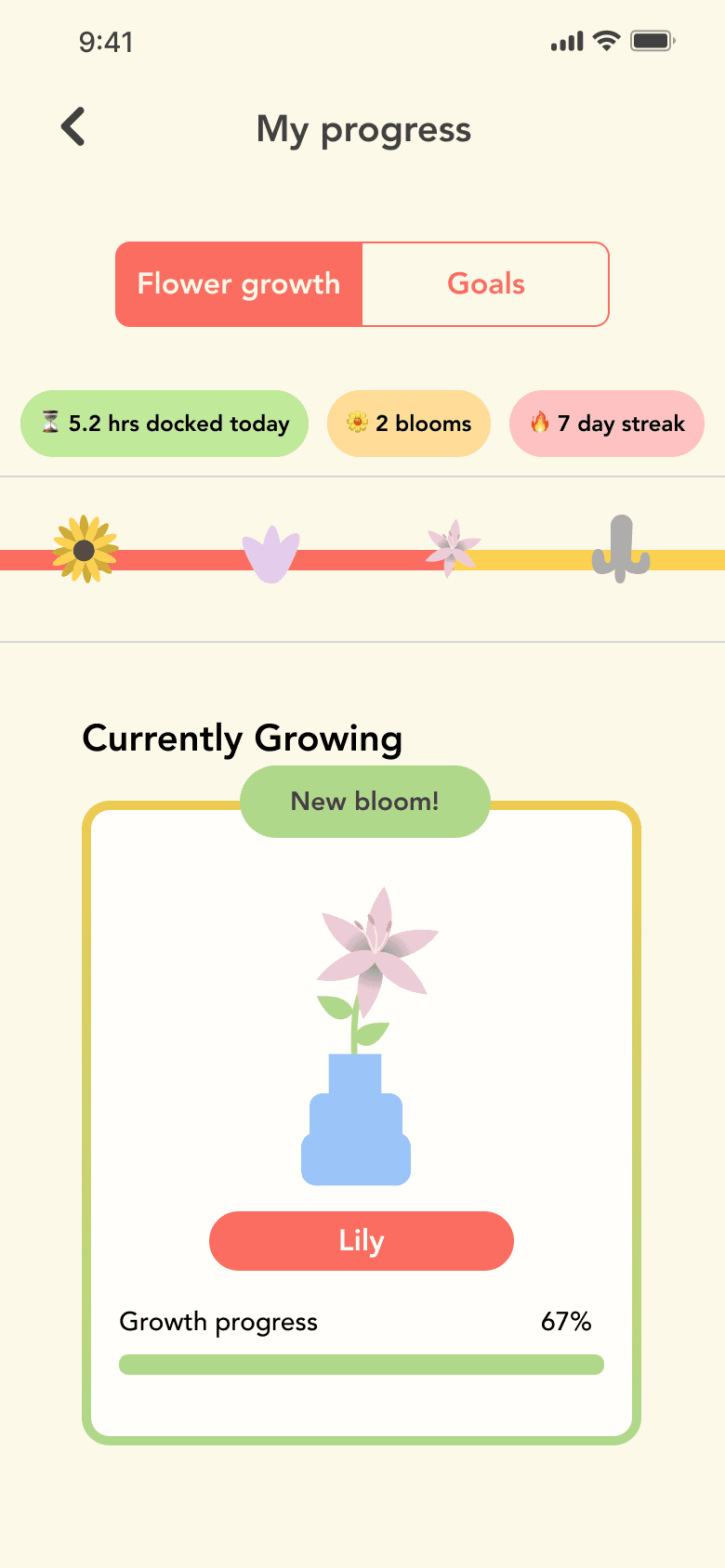
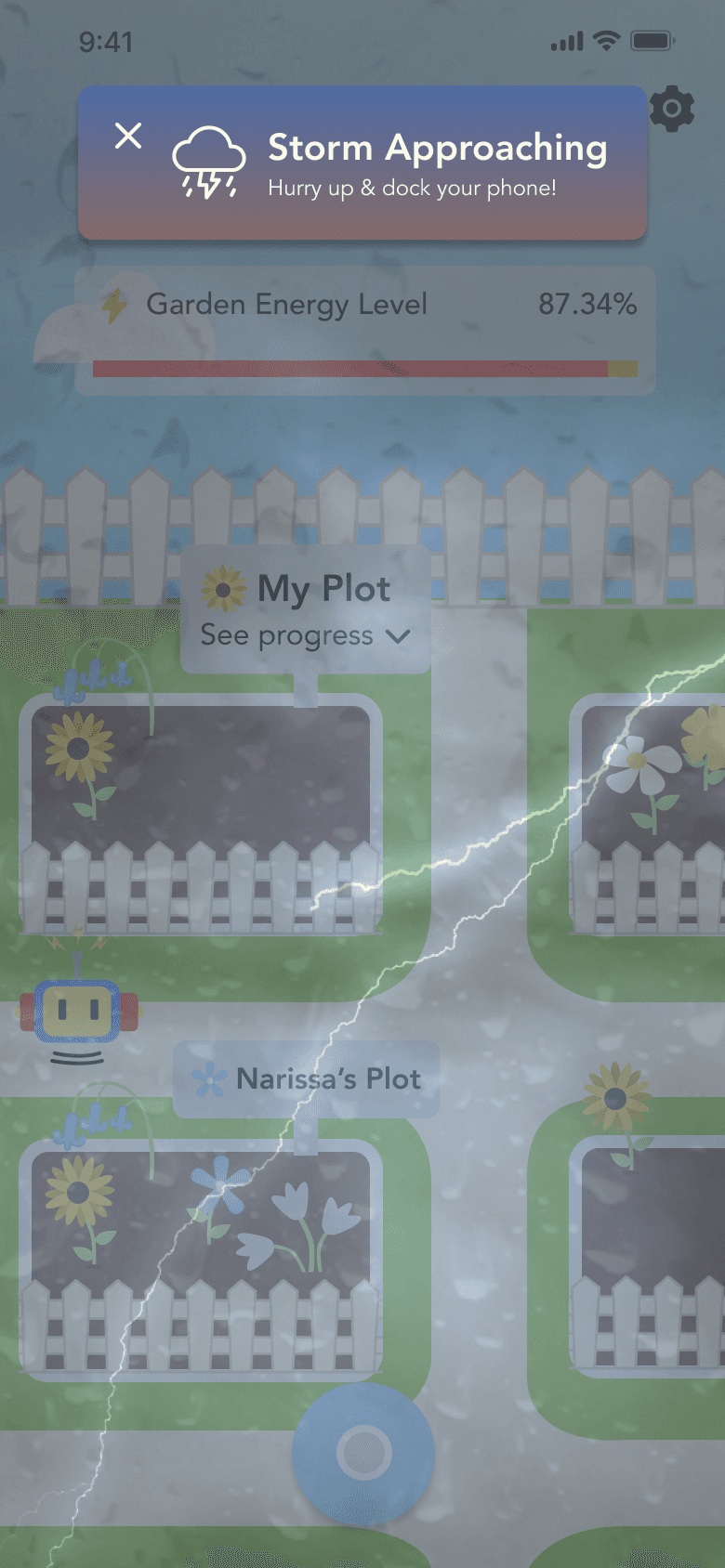
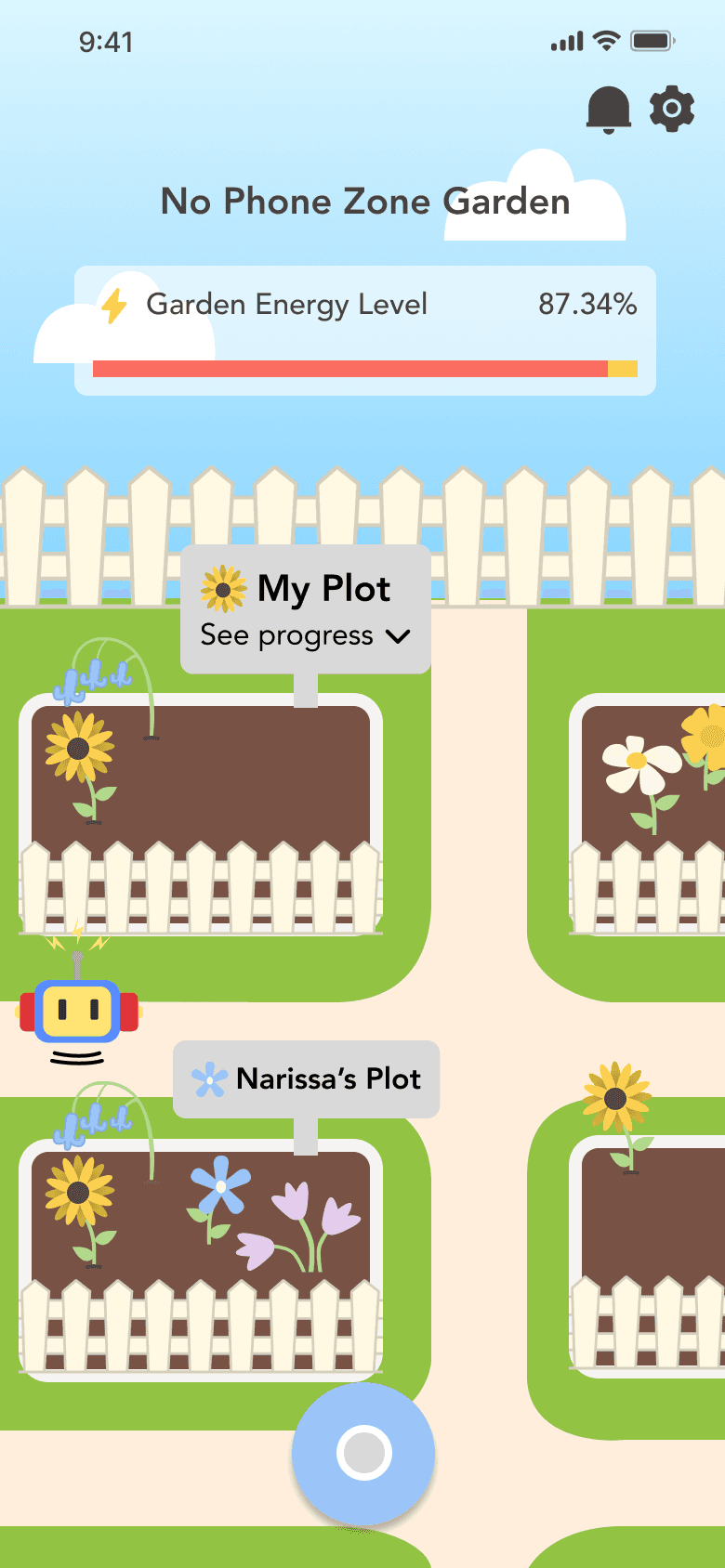
Users dock their phone during moments of potential distraction, initiating a period of disconnection. During this time, a flower grows within the app, gradually contributing to a larger garden. The physical dock provides ambient feedback, reinforcing progress through light.
Key Features
Design Development & Prototyping
Translating Concept into Form
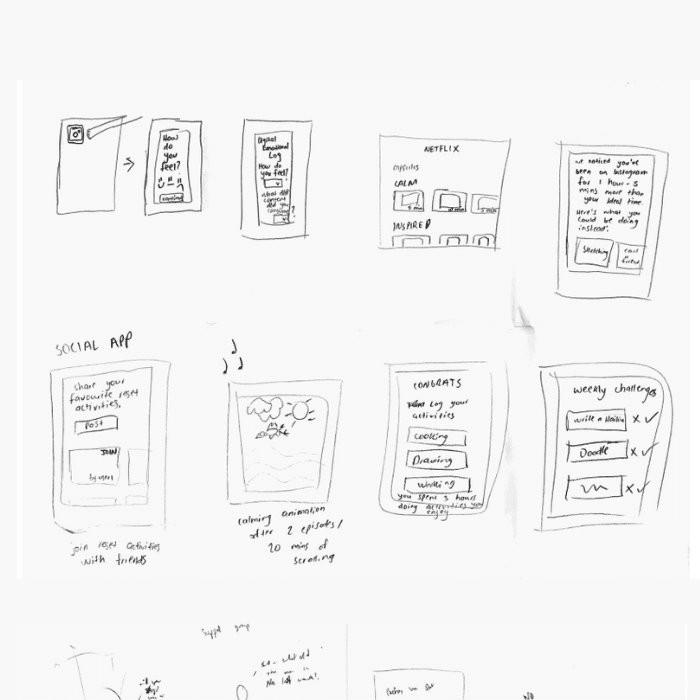
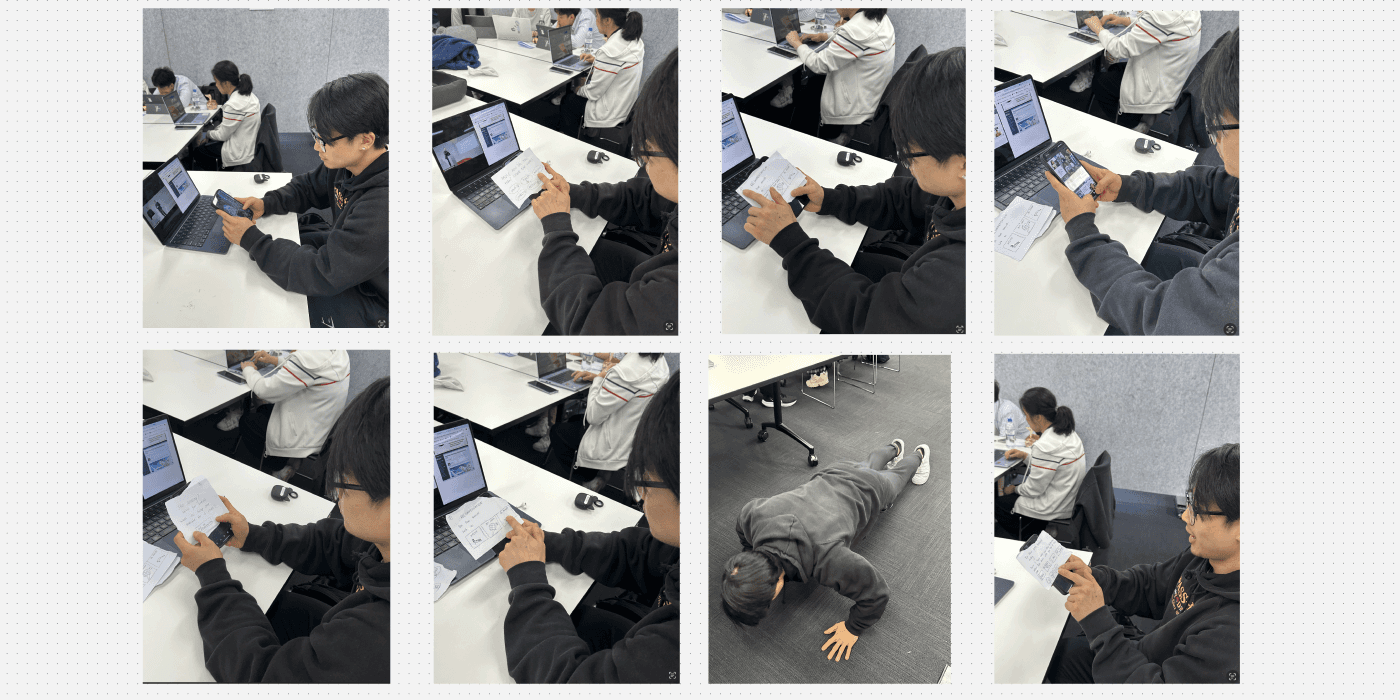
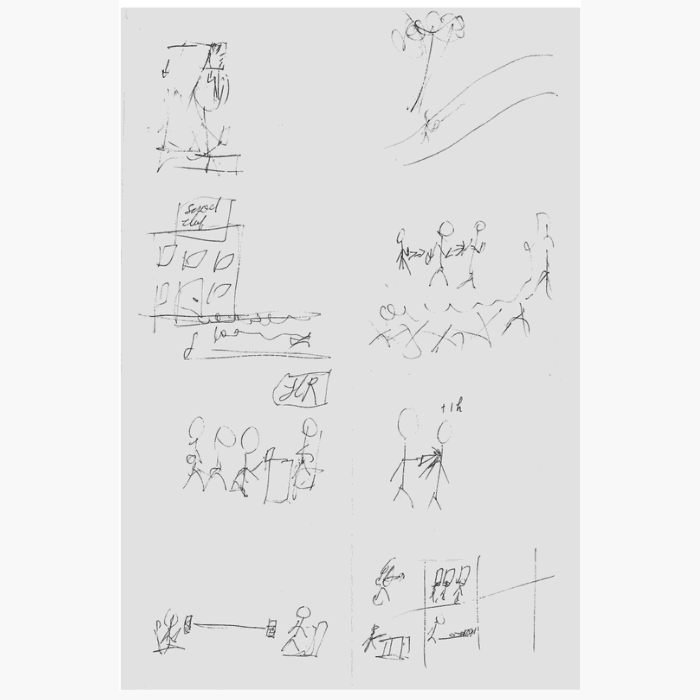
The concept for Build N Bloom was developed through collaborative ideation methods including Crazy 8s, Worst Possible Ideas, and bodystorming. These exercises explored multiple directions for translating digital habits into physical interactions before converging on the idea of growth as a behavioural metaphor.
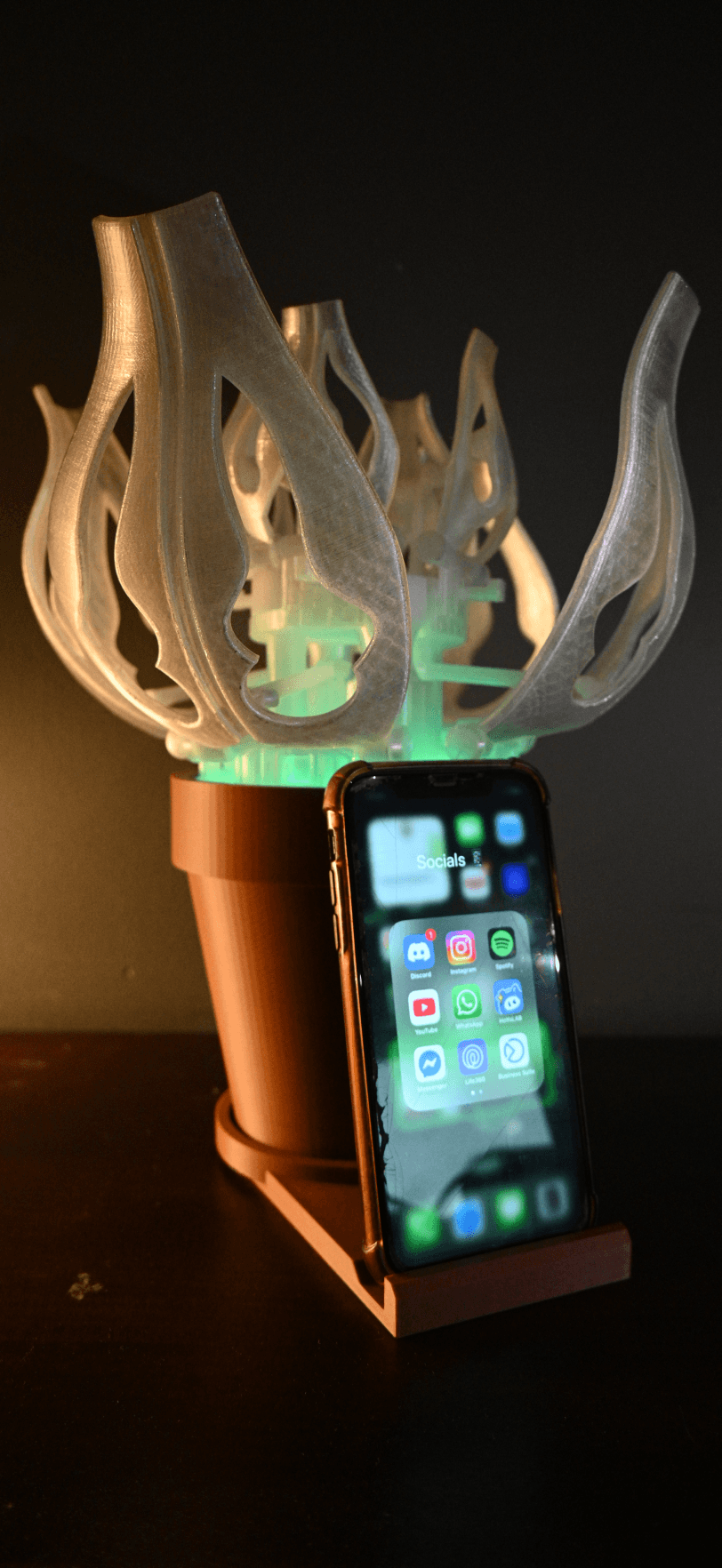
I led the translation of this concept into a physical form by designing a phone docking station that creates a deliberate interruption to passive phone use. The potted plant form reinforces the idea of growth, with the phone acting as a source of “nutrients” over time.
Low Fidelity Prototyping & Testing
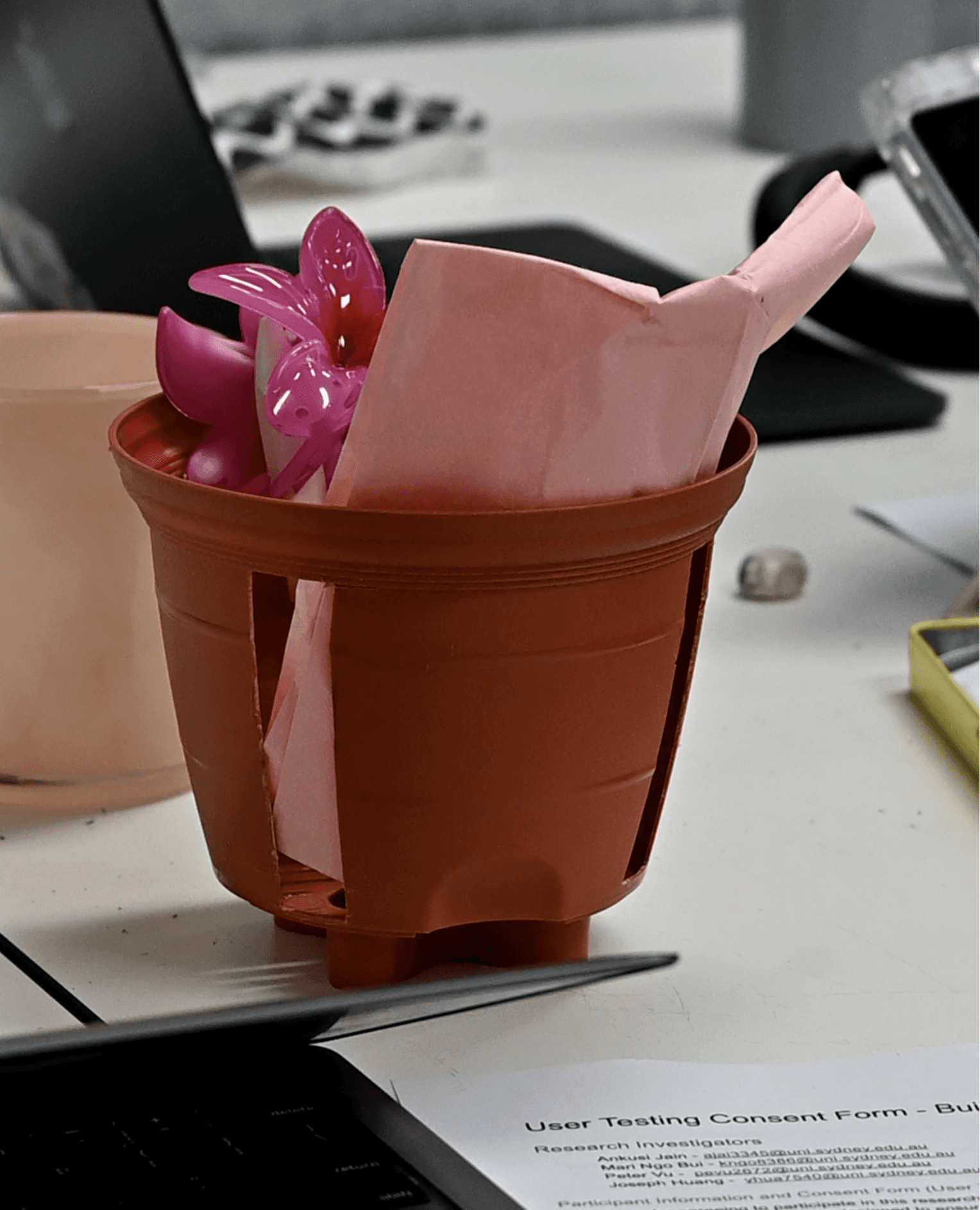
The initial idea was for the users to slide their phone into the pot, concealing their phone with the thought that if they can't see it then they won't be tempted. Testing was done through think-aloud followed by a system usability survey to evaluate usability and thoughts of the concept.
The testing showed that users preferred to put their phone in through the top and would rather not have their phone concealed in case of urgent need for their phones.
3D Modelling & Second Prototype
The design was driven by the flower as the core interactive element as the idea was for it to "bloom" as the flower in the app grew. Its scale and form were established first, before developing the surrounding pot and docking structure to ensure the overall form supported both phone placement and internal components.
Using Fusion 360, the form was translated into a manufacturable model and produced via 3D printing for initial testing.
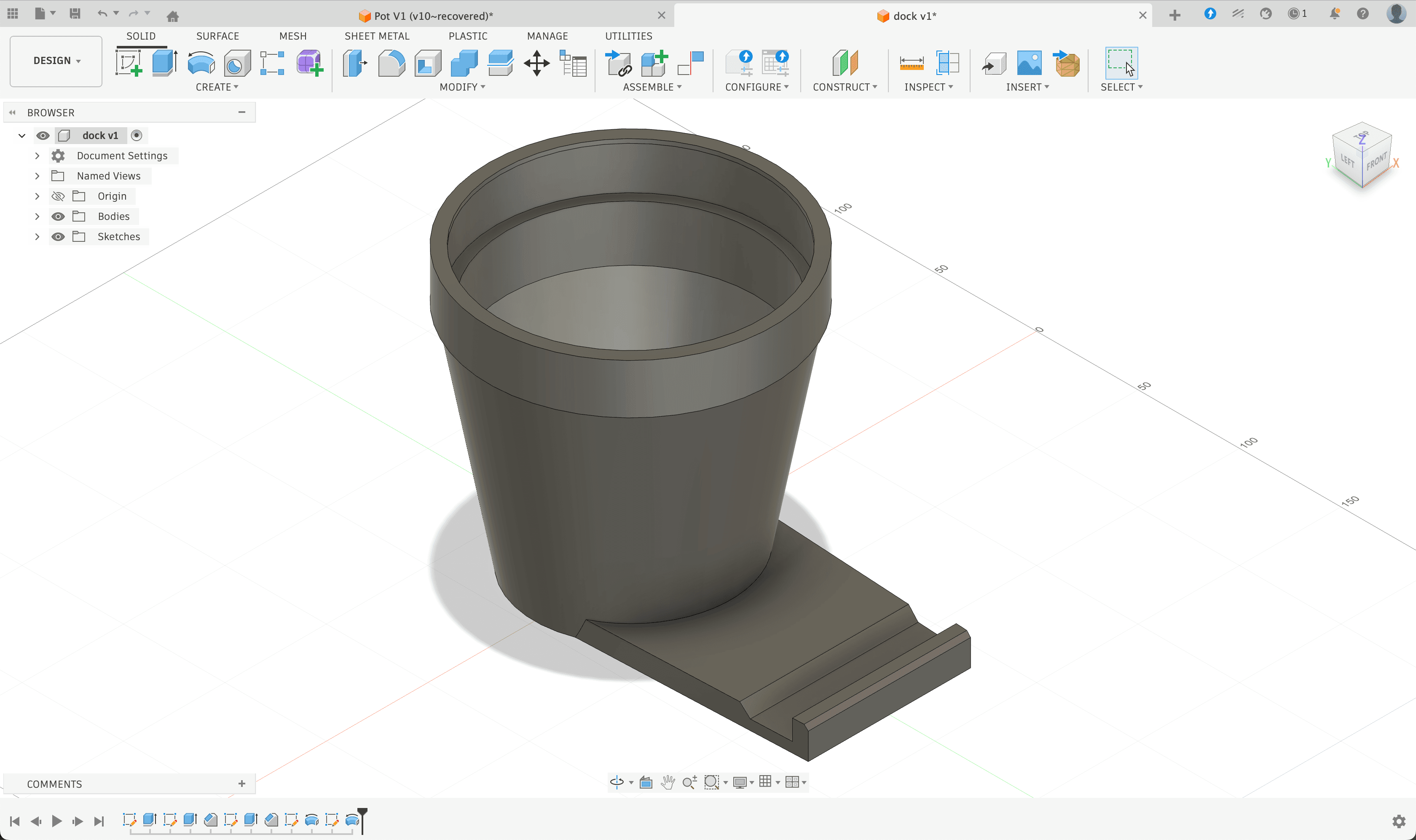
Early prototyping revealed several usability and fabrication issues:
The phone dock was too long, causing devices to slip out
The design of the dock allowed for phones to easily fall over
The original “blooming” flower mechanism was too complex to reliably fabricate
The design of the dock itself was too weak to hold onto the main pot
Refinement & Final Prototype
For the refinement, we decided to keep the pot as we all liked the shape of it. Majority of the refinement fell onto the dock where we:
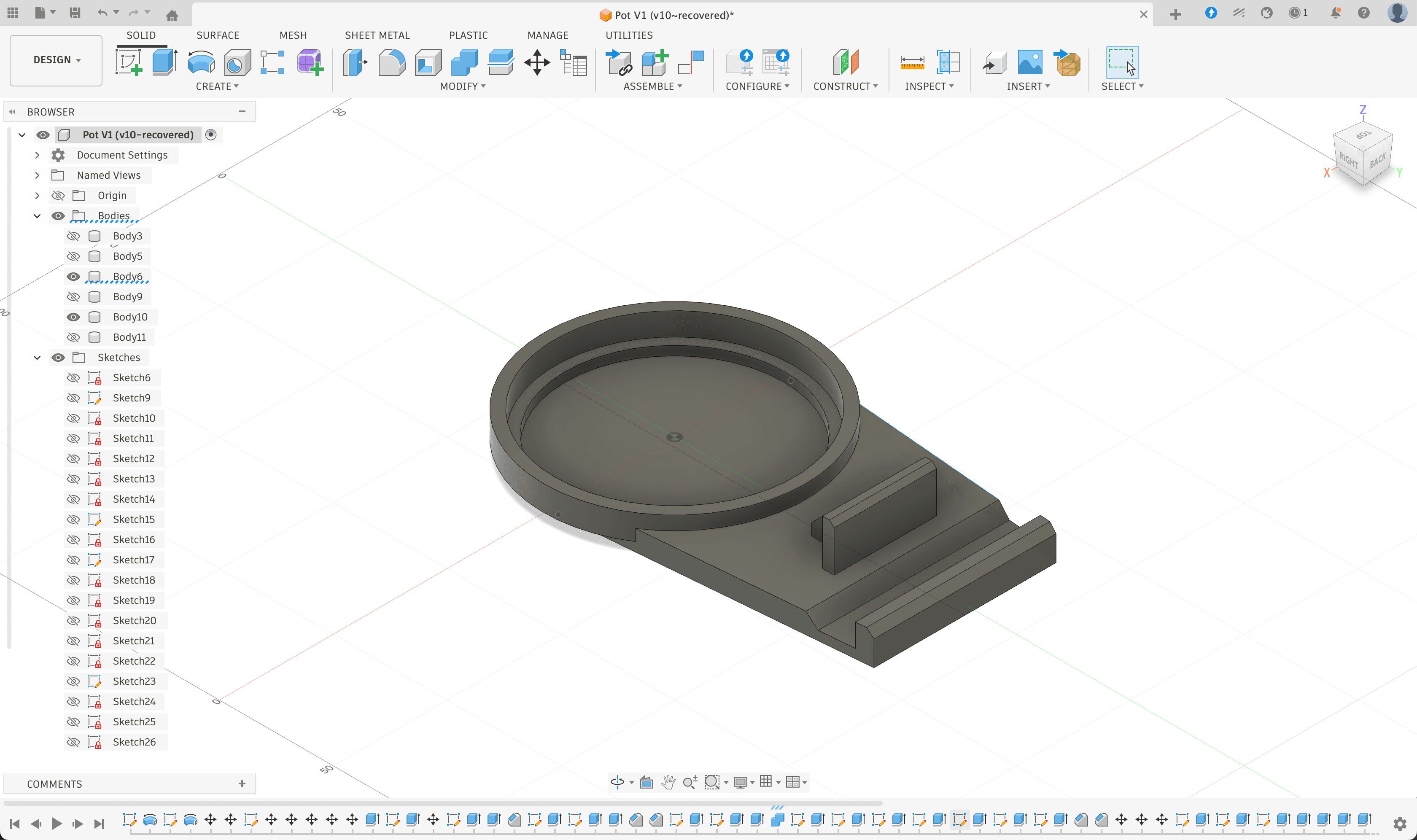
Dock redesign informed by plant saucer geometry
Improved cohesion by allowing the pot to sit more securely within the dock, creating a more integrated form rather than an attached component.
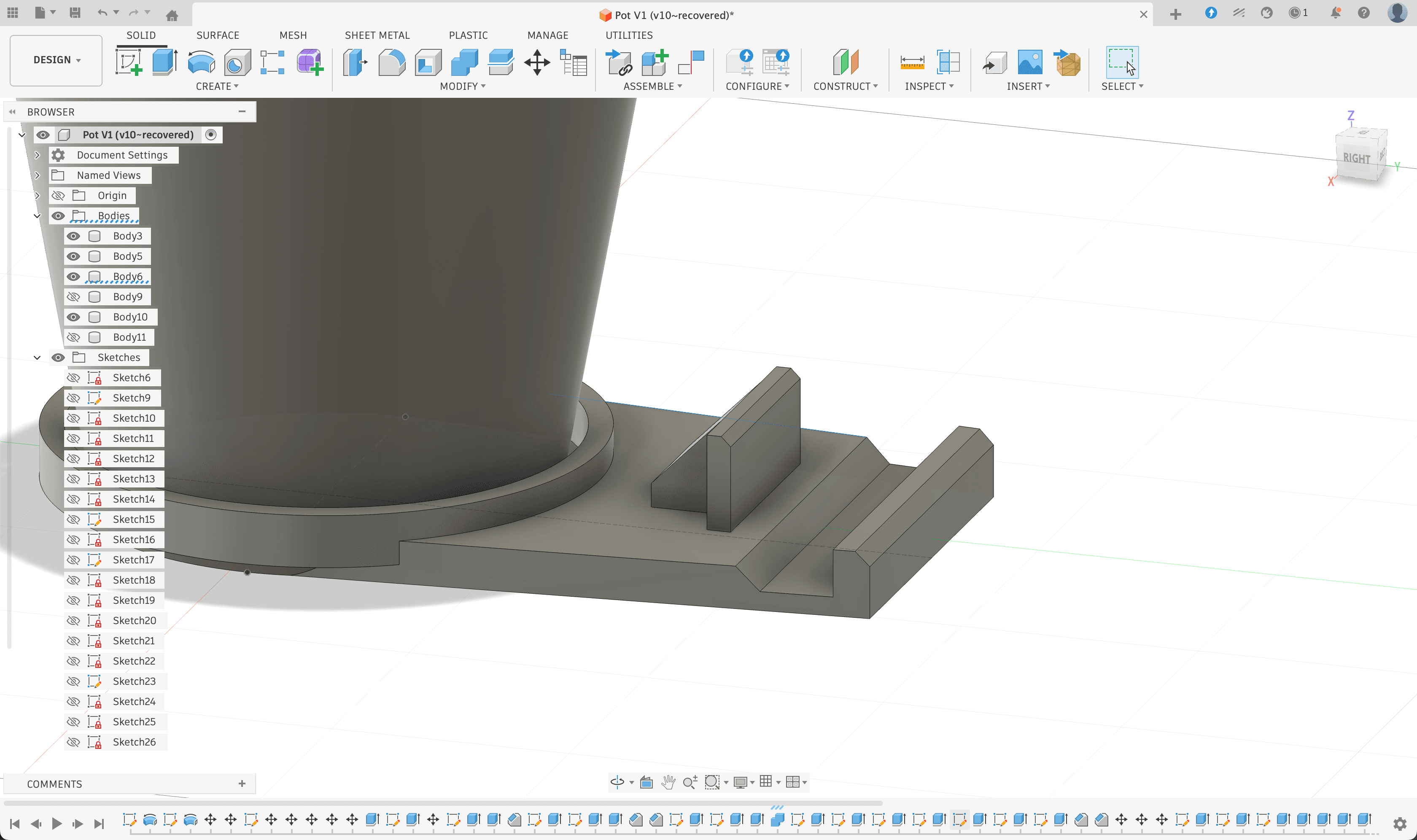
Reduced dock scale + added structural brace
Introduced a small support to improve phone stability, allowing devices to rest at a consistent angle without slipping onto the pot surface.
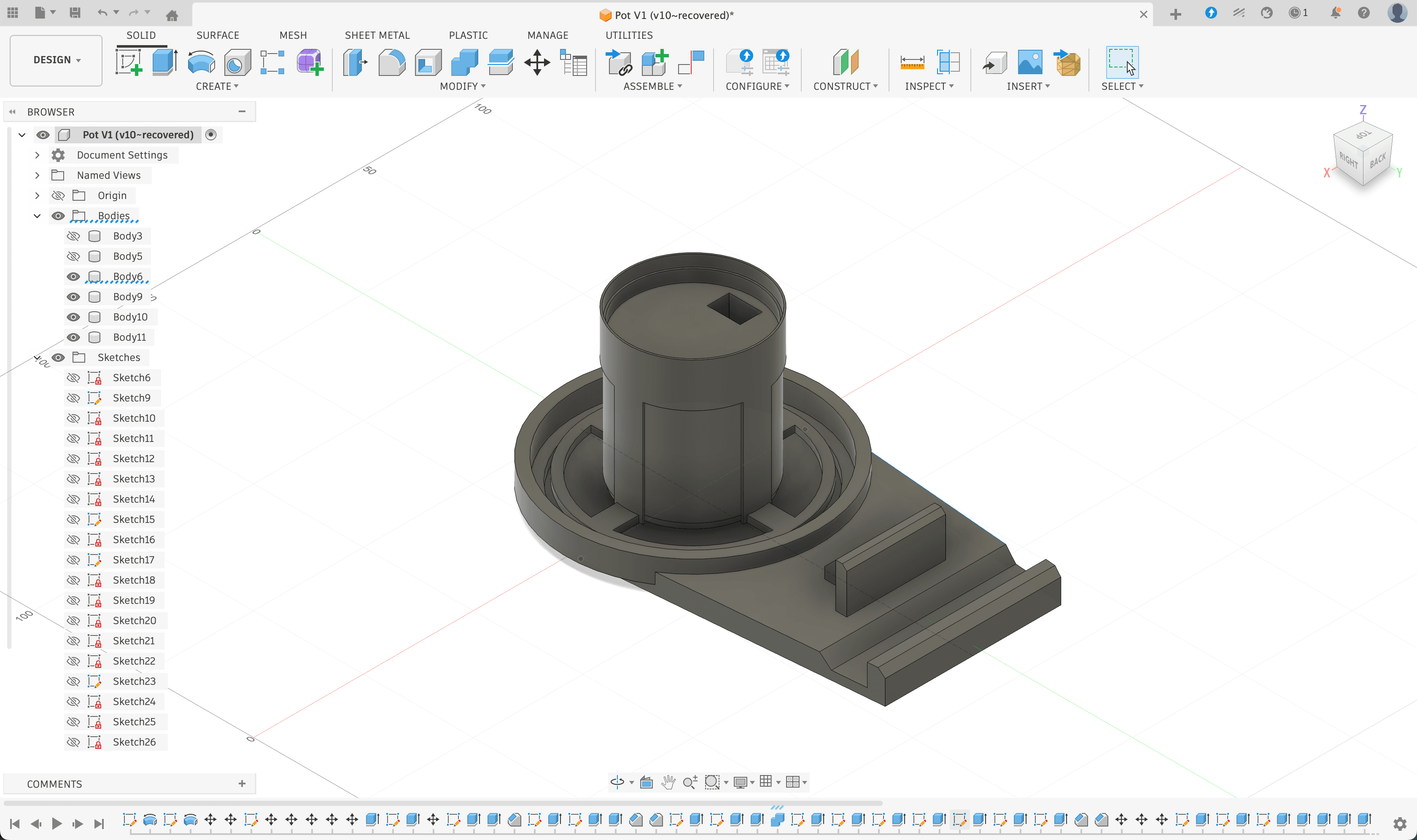
Transitioned to a light-based bloom system
Replaced the mechanical flower with a light-illuminated version to improve feasibility. A custom pedestal was designed to house a puck light, enabling the flower to “bloom” through illumination.
Final Design
The final Build N Bloom system combines a physical docking station with a companion app to transform passive phone use into visible growth over time.
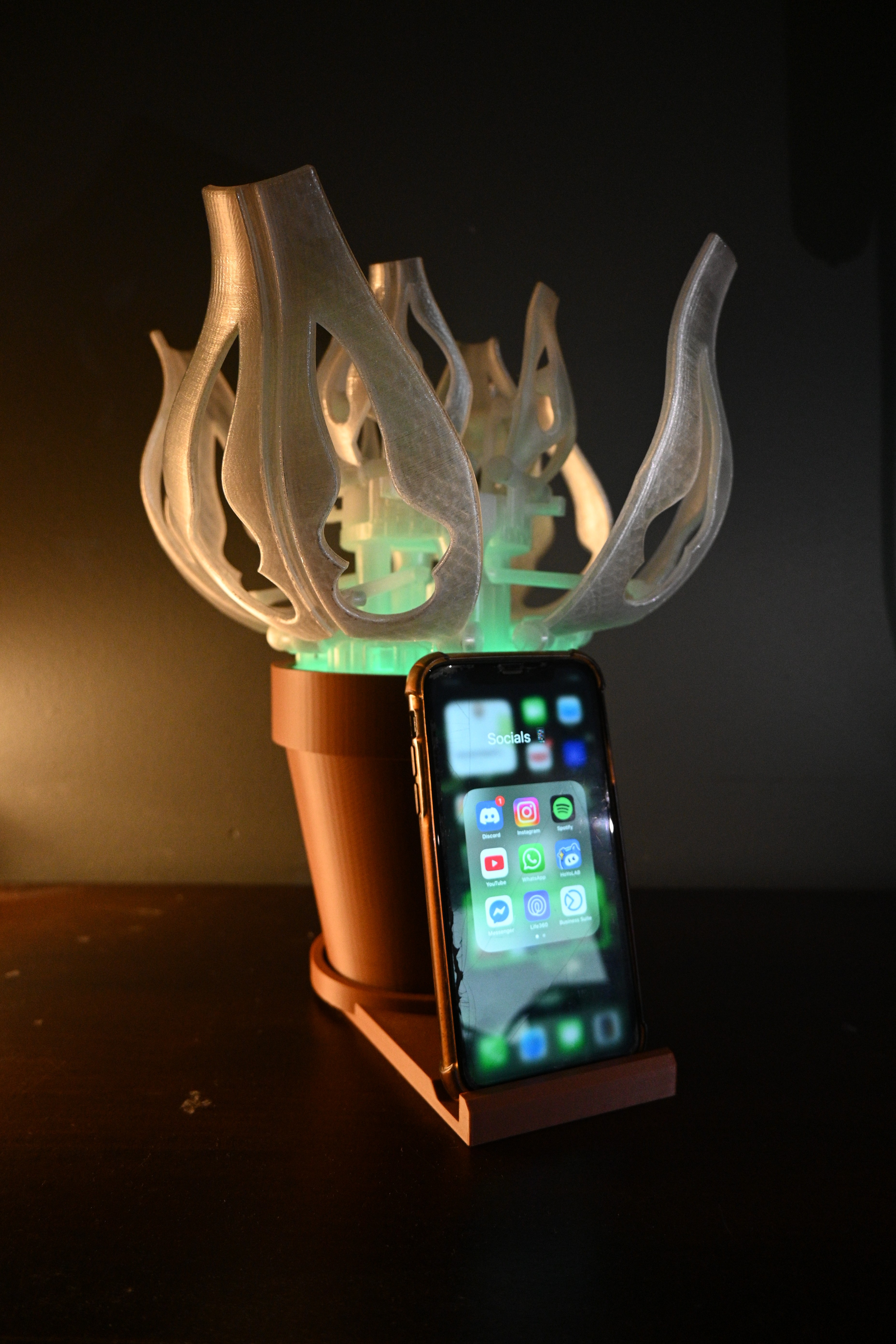
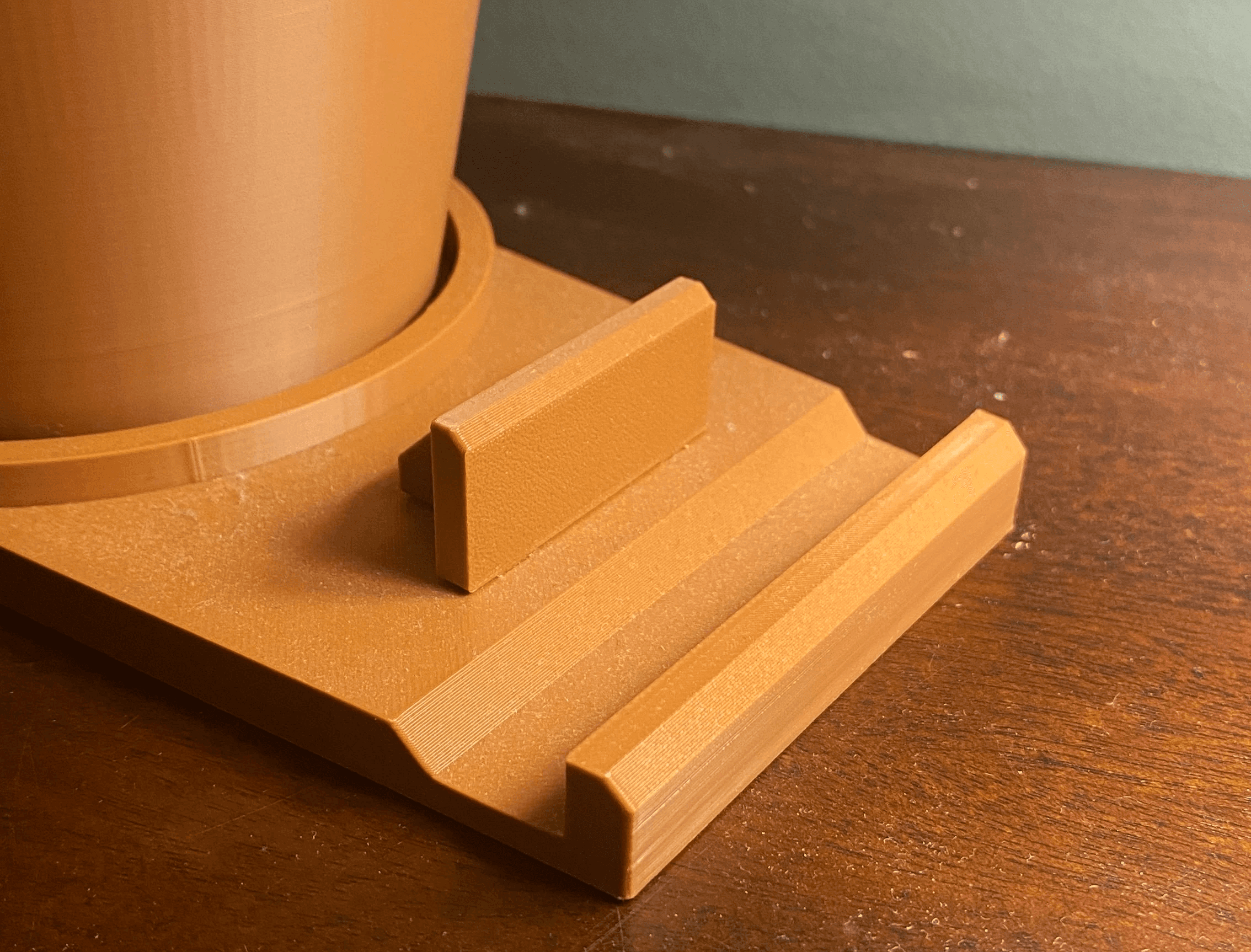
Structural brace allows phone to stand freely without touching the pot
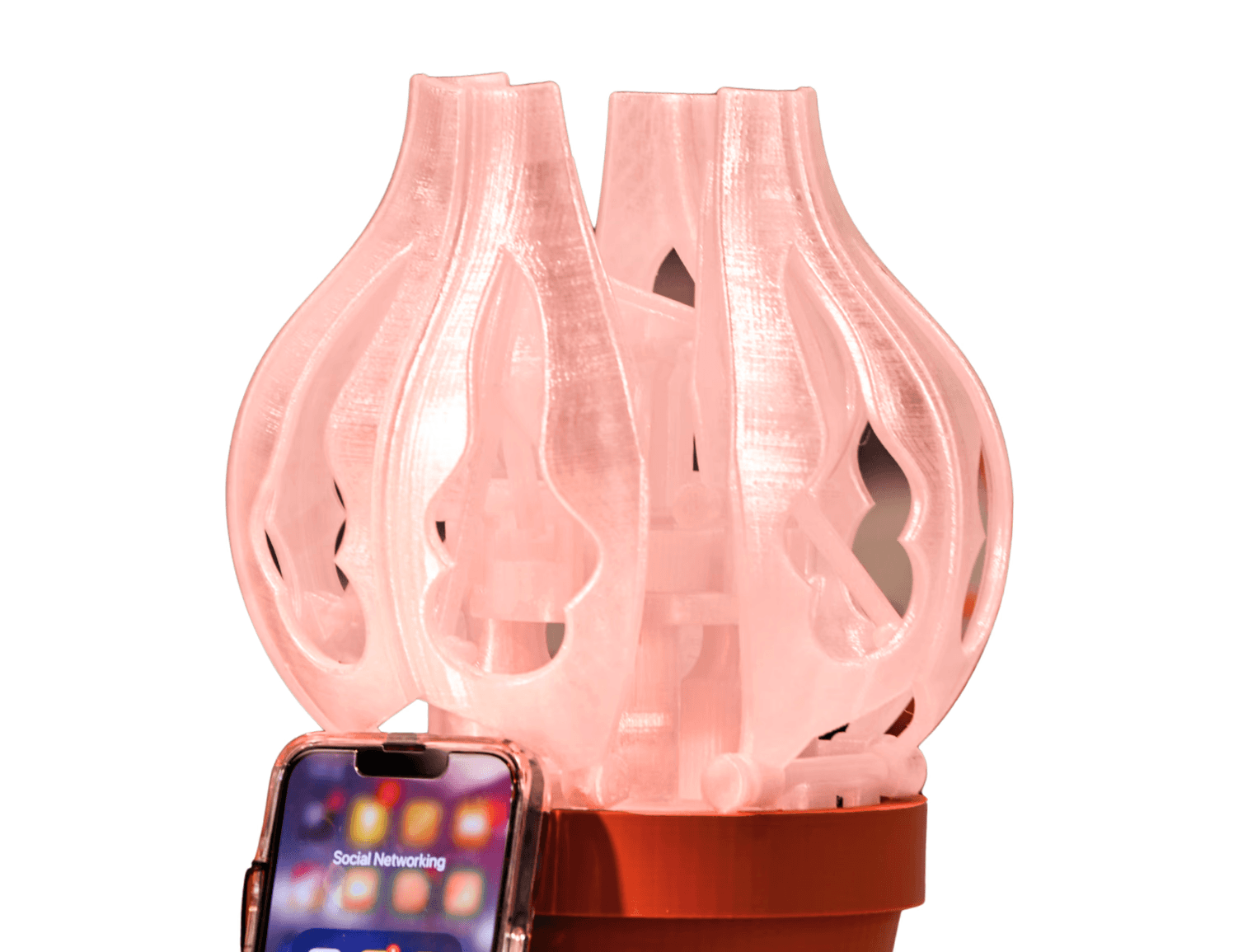
Colour Changing flower provides feedback on progress of blooming their flower
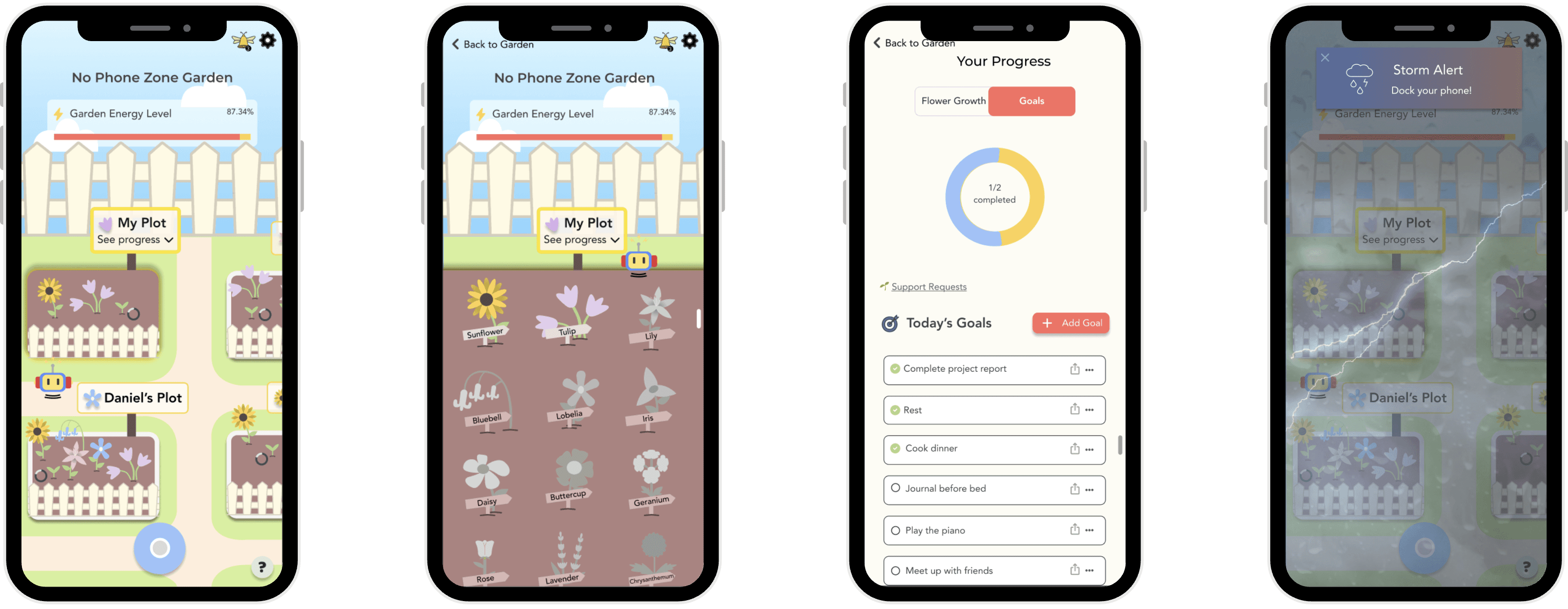
Left to right: community garden page, personal garden page, goals page, storm event
Reflections & Takeaways
Throughout the development of Build N Bloom, the importance of iteration was reinforced when translating conceptual ideas into physical outcomes. Moving from digital concepts into 3D modelling and fabrication revealed practical constraints that were not immediately apparent during early design stages.
Through prototyping, it became clear that simplifying interactions was essential and building prototypes does help iron out friction points and allow for proper testing.
Looking back, I would prioritise developing a more considered low-fidelity prototype earlier in the process. Initial testing was conducted using a quickly assembled model, which limited the quality of feedback and led to more significant design changes later, especially in refining how the dock supports the phone. Earlier validation would have enabled more efficient iteration and reduced the need for larger structural revisions.
This project strengthened my ability to bridge concept, interaction design and physical prototyping, particularly in adapting ideas to real-world constraints while maintaining the intended user experience.
This project was selected for presentation at the ADP Graduate Show 2025.
Say hi — I don’t bite:
I swear

© Peter Le Vu - 2025